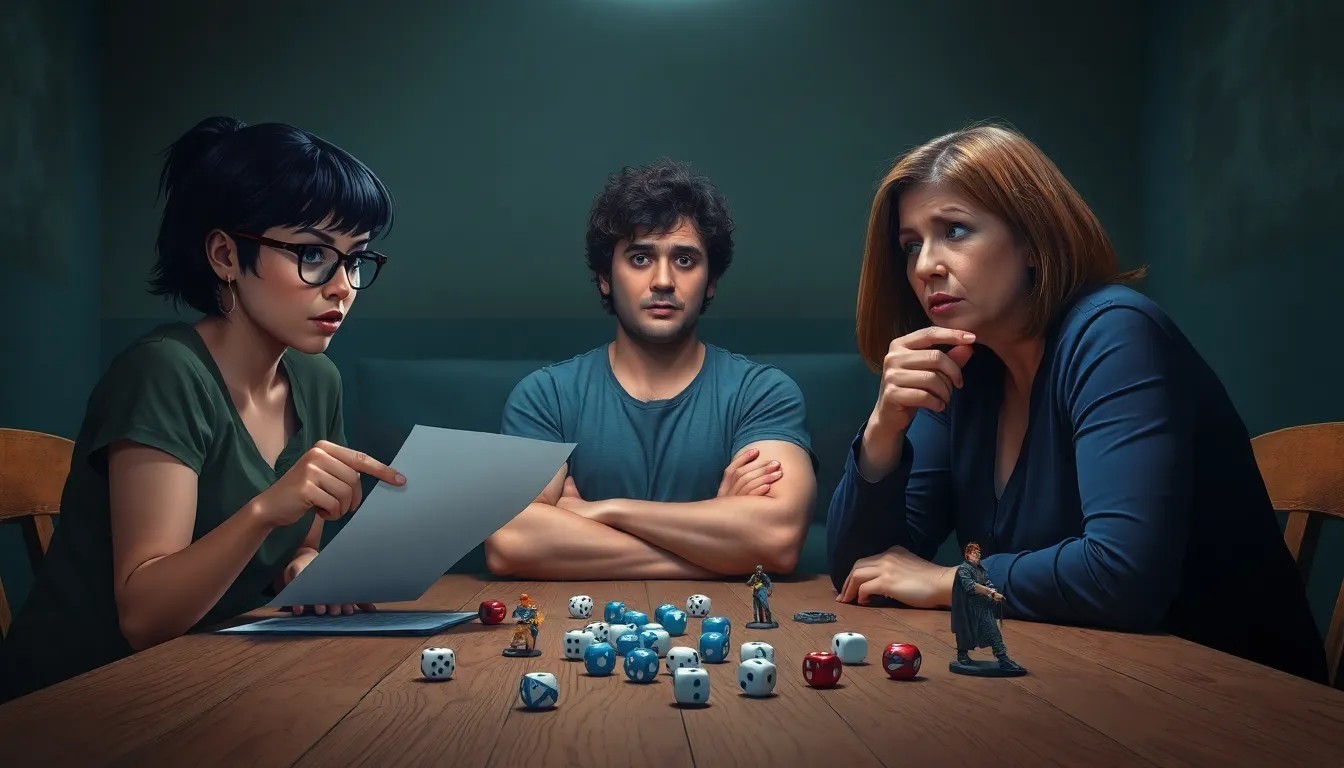
In the dim glow of a flickering candle, players gather around the table, ready to embark on a journey through the twisted realms of RPG horror stories. These tales don’t just chill the spine—they ignite the imagination, blending suspense with laughter in a way that only tabletop gaming can. Who knew that rolling dice could lead to such spine-tingling terror and uproarious moments?
From unexpected betrayals to monstrous mishaps, RPG horror stories are packed with unforgettable characters and plot twists that leave players gasping for breath—both from fear and laughter. Whether it’s a rogue’s reckless decision or a DM’s sinister plot, these stories remind us that in the world of role-playing games, anything can happen. So grab your dice and prepare for a wild ride through the eerie and the absurd, where every session is a chance to create a legendary tale of horror and hilarity.
What Are RPG Horror Stories?
RPG horror stories merge the elements of role-playing games and terrifying narratives. These stories often emerge during tabletop sessions, where players confront psychological fears alongside unsettling challenges. Players encounter unexpected plot developments, creating suspenseful situations that enhance the gameplay experience.
Various scenarios trigger these horror tales. A character may face betrayal from a trusted ally, or they might stumble into a gruesome confrontation with a monstrous entity. Players’ decisions impact the direction of the story, leading to unexpected and sometimes shocking outcomes.
Memorable characters populate these narratives. Heroes might develop eerie backstories, while villains showcase dark motivations that enrich the plot. Each session transforms into a narrative tapestry illustrating the unpredictability fundamental to RPG horror stories.
Plot twists serve as a hallmark of such tales. A seemingly innocent character may reveal a sinister agenda, turning allies against one another. Betrayals and misjudgments amplify the tension, keeping players engaged and on edge.
Ultimately, RPG horror stories craft an immersive atmosphere, inviting participants into a world filled with suspense and unpredictability. Sessions create a perfect environment for unforgettable moments, where horror and humor intersect. Engaging in RPG horror encourages players to explore their creativity while navigating thrilling and chilling tales.
The Appeal of Horror in RPGs

Horror in RPGs captivates players by immersing them in thrilling narratives. The emotional connection fosters anxiety and anticipation, making every decision impactful.
Emotional Engagement
Players experience heightened emotional stakes in horror scenarios. Fear of betrayal from trusted allies intensifies the tension. Characters often confront not only physical dangers but also their inner demons. Empathetic storytelling deepens players’ involvement, as backstories reveal vulnerabilities. Creating memorable characters increases the likelihood of engagement. When players form attachments to heroes or villains, every plot twist resonates more. This bond propels the narrative forward. As players face harrowing dilemmas, their choices spark genuine emotional reactions. The interplay between fear and compassion fosters an unforgettable experience.
The Element of Surprise
Surprise plays a crucial role in RPG horror tales. Unpredictable twists keep players on edge, enhancing excitement during sessions. Characters often encounter shocking revelations, altering the course of their journey. Sudden betrayals from allies or unexpected alliances amplify the drama. Players face formidable foes that defy expectations, ensuring tense encounters. Each new threat can emerge from anywhere, ensuring vigilance at all times. The unexpectedness evokes both fear and adrenaline, pushing players to adapt. An alarming moment can lead to a crucial plot shift, captivating everyone present. This unpredictability transforms ordinary gameplay into gripping stories.
Classic RPG Horror Stories
Classic RPG horror stories resonate deeply, leaving lasting impressions on players and creating memorable experiences. These narratives draw upon elements of fear, suspense, and unexpected twists that elevate the gameplay.
Iconic Tales and Their Impact
Several iconic tales have defined the RPG horror genre. For instance, Curse of Strahd immerses players in gothic horror, evoking dread through its rich lore and chilling atmosphere. Players navigating the dark streets of Barovia experience a palpable sense of danger with every choice. Another example, The Call of Cthulhu, challenges players to confront cosmic horrors, blending mystery and insanity that reshapes their perceptions of reality. These tales impact players, fostering deeper emotional connections and intensifying their gaming experiences. They set benchmarks for storytelling in RPGs, inspiring new campaigns and encouraging creative explorations of horror.
Lessons Learned from Classic Stories
Classic RPG horror stories teach players valuable lessons. They emphasize the importance of trust, highlighting that betrayal can occur from unexpected sources. Characters often find their allies turning against them, showcasing the unpredictable nature of relationships. Decision-making becomes crucial, as choices carry significant consequences, shaping both outcomes and narratives. Additionally, classic stories often illustrate that vulnerability can lead to growth. Characters facing fears and confronting their inner demons evolve, enhancing player engagement and investment in the story. Ultimately, these lessons carry forward into future campaigns, influencing how players build relationships and navigate the complexities of their narratives.
How to Create Your Own RPG Horror Story
Creating an RPG horror story requires careful attention to detail and an immersive setting. Start by establishing an eerie atmosphere that amplifies suspense and engages players.
Setting the Atmosphere
Use sensory details to craft an unsettling environment. Incorporate dim lighting, unsettling sounds, and cold temperatures to evoke discomfort. Locations can include abandoned castles, dark forests, or haunted mansions. Each setting should have distinct characteristics that enhance the horror elements. Implement unique soundtracks or ambient noises to elevate tension. Introduce unexpected events that disrupt gameplay, creating a sense of dread. Create a building sense of foreboding to keep players on their toes. Engaging settings ensure that players feel the weight of their choices and the lurking dangers.
Character Development for Horror
Characters play a pivotal role in reinforcing horror elements. Develop complex backstories that evoke empathy and reveal hidden fears. Allow players to face moral dilemmas that challenge their ethics. Each character should possess vulnerabilities and strengths, enriching player interactions. Introduce unreliable allies or hidden motives to deepen the plot. Characters can grapple with personal demons, fostering emotional connections. These dynamics enhance player engagement and immerse them in the narrative. Allow character decisions to influence the unfolding story, creating tangible consequences for every action taken. This approach heightens tension and keeps players invested in the outcome.
Notable RPG Horror Experiences
RPG horror stories often elicit strong reactions from players. People frequently express shock and excitement during tense moments. Feedback usually highlights the effectiveness of unexpected betrayals and chilling encounters. Many players find that horror elements deepen their emotional investment in the narrative. They note how suspenseful situations and intense gameplay lead to memorable discussions after sessions. Shared experiences often create stronger bonds between players, with stories told long after the campaign ends.
Player Reactions and Feedback
Players often respond viscerally to shocking plot twists. Fear and anxiety manifest as they confront terrifying scenarios. Joy frequently accompanies the relief following a dramatic resolution. Some enjoy recounting terrifying moments, reminiscing about their characters’ narrow escapes or harrowing choices. Many express gratitude for the emotional rollercoaster, citing moments that linger long after the game concludes. Most players appreciate how horror themes enhance immersion, making the experience unforgettable.
Memorable Moments in Gaming
Memorable moments often stem from unexpected encounters with formidable foes. A player’s character facing a powerful monster can shift the entire narrative. Betrayal from a trusted ally stands out as a significant turning point, leading to intense emotional reactions. Players recall instances where clever tactics turned the tide in desperate situations. Discovering hidden lore elevates the sense of mystery and dread throughout sessions. Each of these instances leaves an indelible mark on players’ memories, reinforcing the allure of RPG horror stories.
RPG horror stories offer a unique blend of fear and excitement that captivates players. The unpredictability of these narratives not only heightens tension but also fosters deeper emotional connections among players. Each session transforms into an opportunity for unforgettable experiences filled with shocking twists and memorable character arcs.
As players navigate through eerie landscapes and confront their inner demons, they discover the power of storytelling in shaping their adventures. The lessons learned from betrayal and moral dilemmas resonate long after the game ends, influencing future campaigns and enhancing player engagement. Embracing the elements of horror in RPGs enriches the gaming experience, making every moment a thrilling journey into the unknown.