
Nestled in the heart of Michigan, the River Raisin Battlefield is where history takes a dramatic turn, and not just because it’s a mouthful to say. This site is a treasure trove of tales from the War of 1812, where brave souls clashed in a battle that would shape the future of the region. Imagine soldiers charging through the mud, cannonballs whizzing by, and a whole lot of confusion—it’s like the ultimate historical reenactment, minus the modern-day smartphones.
But this isn’t just a place for history buffs; it’s a hidden gem for anyone looking to explore America’s past. With its serene landscapes and rich stories, the battlefield invites visitors to step back in time and witness the echoes of bravery and sacrifice. So grab your walking shoes and prepare to be transported to a time when battles were fought with grit, determination, and perhaps a little bit of chaos.
Overview of River Raisin Battlefield
River Raisin Battlefield, located in Michigan, represents a crucial historical site from the War of 1812. This battlefield serves as a reminder of the bravery and sacrifices made by soldiers during intense conflict.
Historical Significance
Historical records outline the battlefield’s importance in shaping the outcome of the War of 1812. The Battle of River Raisin, fought in January 1813, marked the greatest defeat for American forces during the war. Many soldiers from the United States lost their lives in this tragic battle. Additionally, the site holds stories of both American and Native American perspectives, reflecting the complex interactions of that era. Restoration efforts aim to preserve the site for future generations. Educational programs help visitors understand the strategic implications of the battle and its lasting impact on American history.
Key Events
Key events unfolded during the Battle of River Raisin in January 1813. U.S. forces, numbering around 800, faced off against British and Native American troops. On January 22, after fierce fighting, American troops were forced to surrender. This surrender led to subsequent massacres of American prisoners by some Native American allies. The lack of reinforcements contributed to the severity of the defeat, resulting in heightened tensions in the region. Following the battle, the phrase “Remember the Raisin” became a rallying cry for American troops during later campaigns, emphasizing the significance of this confrontation in the broader context of the War of 1812.
Geography and Location
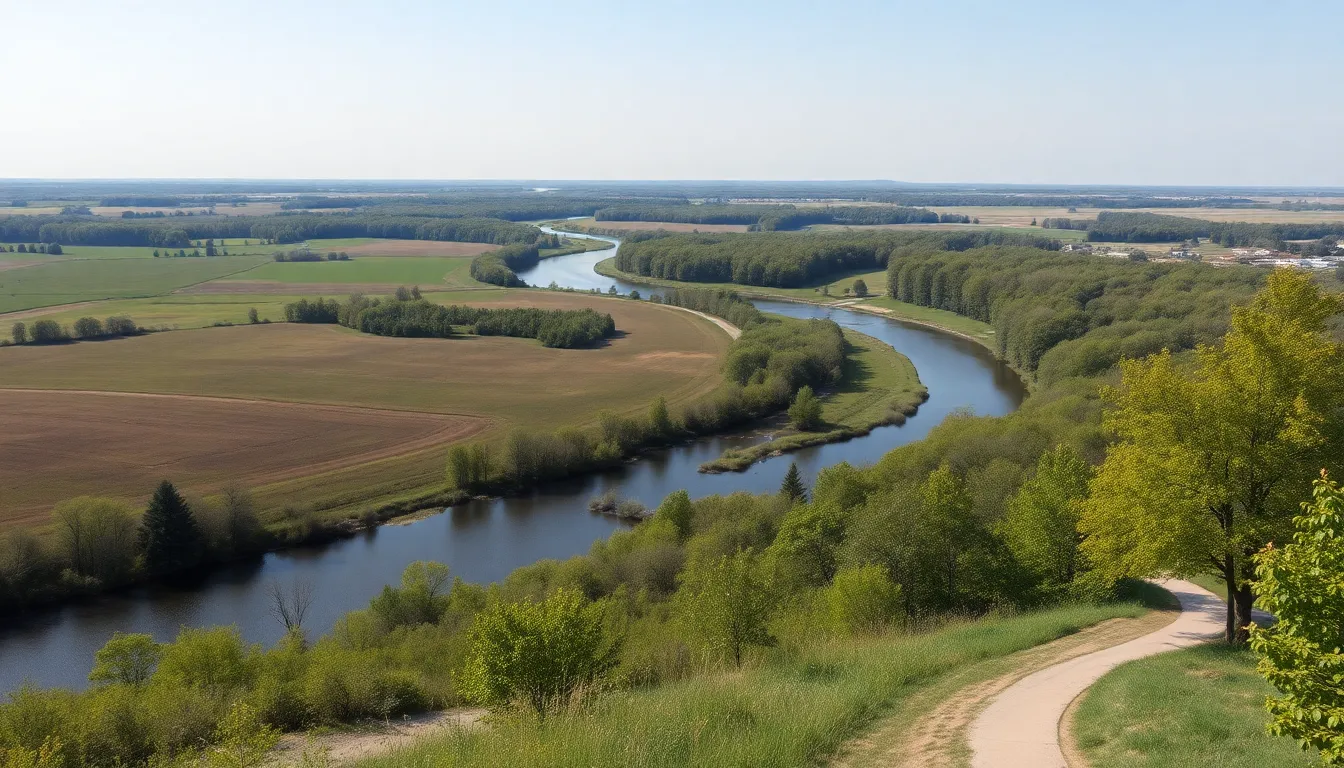
River Raisin Battlefield is situated in southeastern Michigan, near the city of Monroe. Its strategic location along the River Raisin played a crucial role during the War of 1812.
Topography
Topography around the River Raisin Battlefield presents a mix of rolling hills and flat areas. Varied terrain includes wetlands and hardwood forests, contributing to the natural beauty of the site. The battlefield’s proximity to the river influenced military maneuvers during the conflict, making tactical advantages available to both Native American and American forces. Observing the landscape today allows visitors to appreciate how these geographic features affected the battle’s unfolding.
Accessibility
Accessibility to River Raisin Battlefield is straightforward, with well-maintained roads leading to the site. Located off I-75, visitors can easily reach it from major cities like Detroit and Toledo. Ample parking is available on-site, allowing convenient access to the park’s historical features. Walking trails wind through the battlefield, providing an immersive experience for guests exploring the area. Guided tours educate visitors on the site’s significance, enhancing their understanding of the history contained within its landscape.
Major Battles at River Raisin
The River Raisin Battlefield witnessed several critical confrontations during the War of 1812. This section focuses on the pivotal Battle of Frenchtown and its aftermath, which shaped the course of American military efforts.
Battle of Frenchtown
The Battle of Frenchtown took place on January 18 and 22, 1813. American forces aimed to reclaim control of the area, but faced fierce resistance from British troops and their Native American allies. Approximately 1,000 American soldiers engaged in the combat, yet they struggled against superior numbers and strategy. U.S. troops eventually surrendered, leading to significant casualties. Reports indicate that over 400 Americans died during the battle, highlighting the intense and tragic nature of the conflict. This encounter became a crucial chapter in the River Raisin’s history and left a lasting legacy on military morale.
Aftermath and Impact
Following the battle, the aftermath brought severe repercussions for American forces. Many prisoners faced brutal treatment and massacres at the hands of Native American warriors. These events heightened tensions between Native Americans and U.S. forces, fostering a narrative of revenge in future engagements. The phrase “Remember the Raisin” emerged as a rallying cry, galvanizing American troops in subsequent conflicts. Strategic lessons learned during the battle influenced military tactics in the region. Additionally, the loss served as a stark reminder of the challenges faced during the War of 1812, shaping public sentiment and resolve in the fight for territory and honor.
Preservation Efforts
Preservation efforts at the River Raisin Battlefield focus on maintaining the historical integrity of this important site. Collaboration among various organizations helps protect the area for future generations.
Role of the National Park Service
The National Park Service plays a crucial role in managing the River Raisin Battlefield. They oversee restoration projects aimed at preserving the battlefield’s historical features. Educational programs developed by the service enhance visitor comprehension of the site’s significance. Additionally, they conduct archaeological research to uncover artifacts related to the events of the War of 1812. Monitoring environmental conditions also ensures that the landscape remains suitable for wildlife and vegetation. Collaborative initiatives with local governments aid in promoting awareness of the battlefield’s historical narratives.
Community Involvement
Community involvement strengthens preservation efforts at the River Raisin Battlefield. Local organizations engage residents in educational events and volunteer opportunities for restoration activities. Participation in annual commemorative events fosters a connection between the community and its historical roots. Support from local businesses helps fund preservation projects and provides resources for maintenance. Collaborative partnerships with schools enhance educational outreach programs, making history accessible to younger generations. Together, these efforts create a sense of ownership and pride in the community’s heritage.
The River Raisin Battlefield stands as a testament to the sacrifices made during the War of 1812. Its rich history and serene landscapes offer a unique opportunity for visitors to connect with America’s past. Preservation efforts ensure that future generations can appreciate the significance of this site and learn from its complex narratives. Engaging educational programs and community involvement further enhance the experience, fostering a deeper understanding of the events that unfolded here. Whether one is a history buff or simply seeking a peaceful retreat, River Raisin Battlefield invites exploration and reflection on the enduring impact of its storied past.