When it comes to role-playing games (RPGs), the price tag can be as varied as the characters players create. From budget-friendly indie gems to high-end collector’s editions that might require a small loan, understanding how much an RPG costs is crucial for any aspiring adventurer. After all, no one wants to slay dragons on an empty wallet.
Understanding RPGs
RPGs, or role-playing games, immerse players in expansive worlds where they can create characters and embark on adventures. These games vary significantly in price and style, making it essential for players to understand their options.
Definition of RPG
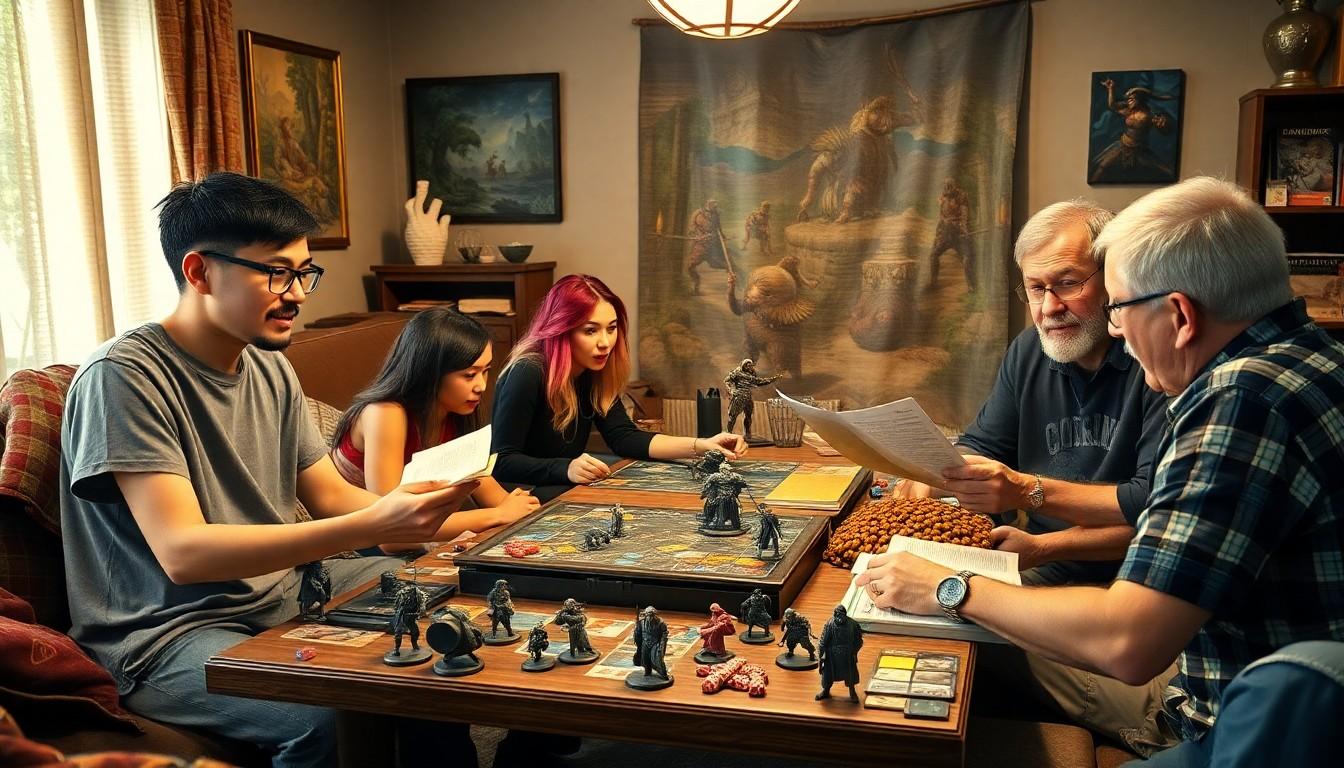
An RPG allows players to assume the roles of characters in a fictional setting. Participants often collaborate or compete to complete quests while developing their characters’ skills. Game mechanics frequently include character stats, story progression, and interactive dialogue. Examples include table-top RPGs, where players use dice and paper, and video game RPGs, featuring extensive storylines and graphics.
Types of RPGs
RPGs come in various forms, including table-top, video, and live-action. Table-top RPGs consist of manual gameplay with dice and character sheets, enabling imagination-based experiences. Video RPGs offer immersive gameplay with graphics and animations, appealing to a broader audience. Live-action RPGs focus on in-person participation, allowing players to portray their characters physically. Each RPG type differs in mechanics and player experiences, catering to diverse gaming preferences.
Factors Influencing RPG Prices

Several elements affect the prices of RPGs, contributing to their diverse pricing structures. Understanding these factors helps players make informed purchasing decisions.
Game Format
RPG prices vary significantly based on their format. Table-top RPGs typically range from $20 to $100, depending on the publisher and included materials. Digital RPGs often cost between $10 and $60, influenced by their production quality and distribution platforms. Live-action RPGs may require additional costs for costumes and accessories, resulting in a total expense that can exceed $100. Ultimately, the format chosen can dictate the overall investment in the gaming experience.
Editions and Variants
Editions and variants of RPGs play a crucial role in determining their prices. Standard editions mostly fall in the lower price range, while deluxe or collector’s editions can exceed $150, featuring exclusive content. Expansion packs and supplements might add $30 to $60 to the initial cost, depending on their complexity and popularity. Vintage editions and rare prints might command prices in the hundreds due to collector demand. Consequently, players may face varying expenses based on the edition they select.
Condition of the Game
The condition of a game significantly impacts its market price. New games usually sell at retail prices, ranging from $30 to $100. Used games can offer savings, but their pricing depends on their physical state and market demand. Mint condition items attract premium prices, while worn or damaged games generally cost less, sometimes as low as $10. Players should assess the game’s condition before making a purchase to ensure they receive fair value.
Price Ranges for RPGs
Role-playing game prices vary significantly based on type and format. Understanding these price ranges helps players budget effectively.
Tabletop RPGs
Tabletop RPGs usually range between $20 and $100. Many standard editions fall into the lower price category, while deluxe or collector’s editions can be much higher. Expansion packs add more depth to the gameplay but often raise costs as well. Players often find vintage editions priced significantly higher, reflecting their rarity. When selecting a tabletop RPG, considering both initial costs and additional content is crucial for maximizing enjoyment.
Video Game RPGs
Video game RPGs generally range from $10 to $60 for standard editions. Popular titles may reach full price at $60 upon release, though discounts frequently apply after several months. Special editions, which include bonus content or physical items, can exceed $100. Many gamers opt for bundles during sales, which provide multiple games at a reduced price. Players should look for both digital and physical options, as prices differ based on availability and platform.
Online RPGs
Online RPGs vary widely in cost, with some free-to-play options available and others costing upwards of $15 monthly for subscriptions. In-game purchases often influence overall expenses, especially in free titles. Premium models may charge initial fees, while others monetize through expansions. Players frequently consider the overall cost of engagement, including potential add-ons that enhance gameplay experience. Evaluating these factors ensures players understand their financial commitments before diving in.
Where to Purchase RPGs
Various options exist for purchasing RPGs, including retail stores, online marketplaces, and secondhand options.
Retail Stores
Local game shops often provide a variety of RPG choices, from popular titles to niche finds. Many retailers host gaming nights, where players can try new games. Staff members frequently offer valuable insights about popular products and upcoming releases. Additionally, supporting local businesses fosters a sense of community among gamers. He or she can check out larger stores like Walmart and Target, which usually carry a selection of mainstream RPGs. Finding these games in retail locations gives players the chance to browse and ask questions before making a purchase.
Online Marketplaces
Amazon and eBay dominate the online shopping scene for RPGs, offering extensive selections at varying prices. Multiple sellers create a competitive environment, helping reduce costs and increase availability. Genre-specific websites, like DriveThruRPG and itch.io, focus on indie games and provide unique options that aren’t easily found in stores. Shopping online also allows effective price comparisons, helping buyers identify the best deals. Downloadable content often appears at lower prices in digital formats, making it easier to acquire titles without needing physical space.
Secondhand Options
Buying secondhand RPGs presents an economical way to expand a collection. Thrift stores and local pawn shops sometimes stock valuable or rare games. Online platforms like Facebook Marketplace and Craigslist often feature listings for used RPGs at lower prices. Condition varies significantly, so examining physical copies for wear and tear is crucial. Websites like BoardGameGeek maintain forums where users trade or sell their games. Players can save money and discover hidden gems by exploring these secondhand avenues.
Conclusion
Understanding the costs associated with RPGs is crucial for any player looking to immerse themselves in these captivating worlds. With prices varying significantly across formats and editions it’s essential to evaluate personal preferences and budget constraints.
By considering factors like game condition and purchasing options players can make informed choices that enhance their gaming experience without overspending. Whether opting for a budget-friendly indie title or investing in a collector’s edition there’s an RPG out there to suit every taste and wallet. Embracing this knowledge allows players to fully enjoy their adventures while managing their finances wisely.