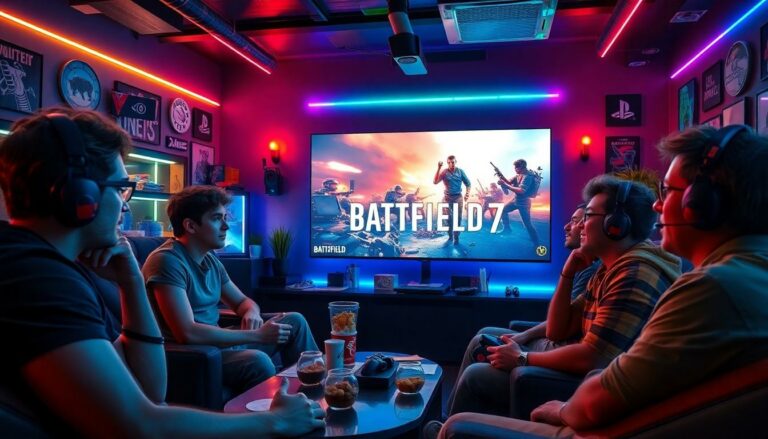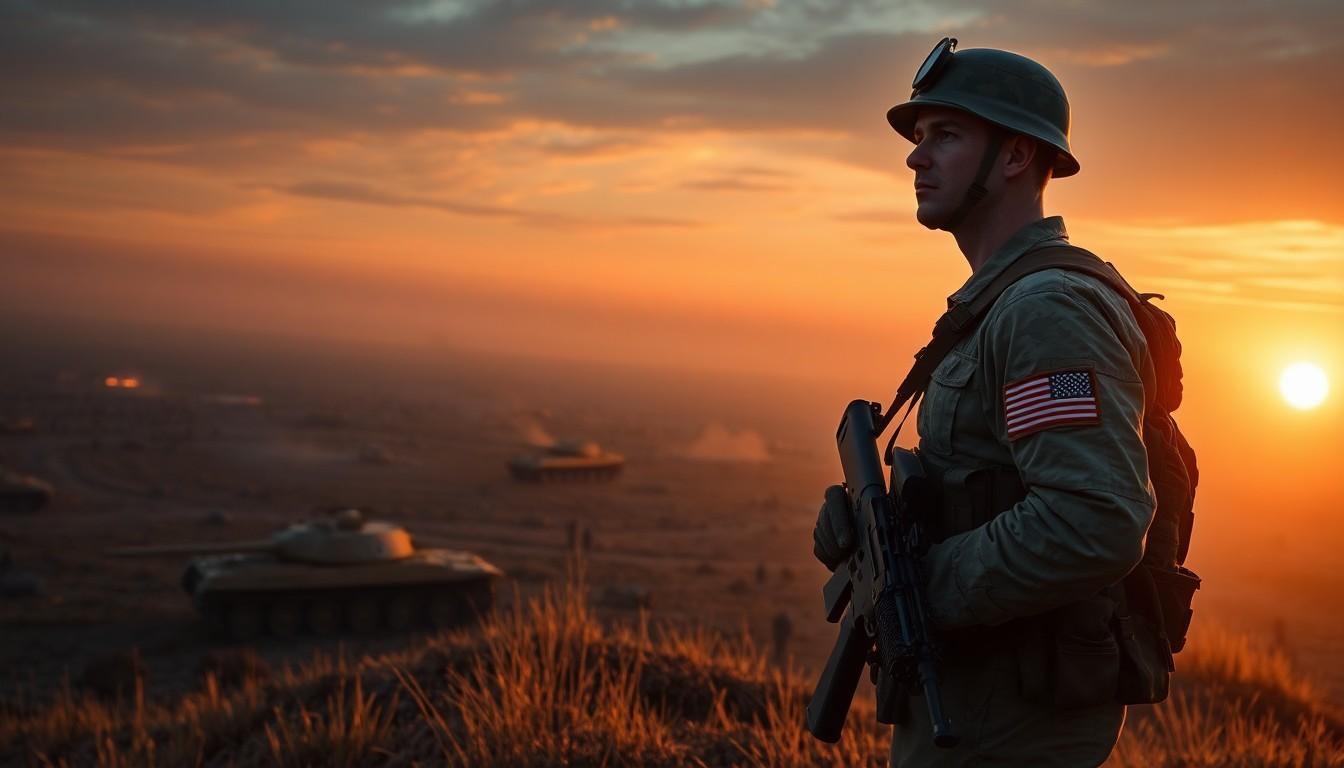
In the chaotic world of gaming, few franchises have delivered heart-pounding action like Battlefield. But let’s face it—navigating its complex timelines can feel like trying to find your way out of a corn maze blindfolded. From World War I to futuristic warfare, the series jumps around like a hyperactive squirrel, leaving players scratching their heads.
Understanding the battlefield chronological order not only enhances gameplay but also lets players appreciate the rich narratives woven throughout this iconic series. Imagine knowing exactly when to expect those epic tank battles or nail-biting close-quarters combat. It’s like having a cheat code for your gaming experience! So grab your gear and get ready to dive deep into the timeline that makes Battlefield not just a game, but a legendary saga.
Overview Of The Battlefield Series
The Battlefield series consists of numerous titles, each set against different historical and futuristic backdrops. Origins of the franchise trace back to 2002 with “Battlefield 1942,” which introduced players to large-scale warfare in World War II, emphasizing team play and vehicle usage.
Subsequent entries expanded the series’ scope. “Battlefield Vietnam” debuted in 2004, offering a unique environment with jungle landscapes and destructible terrain. Players engaged in intense combat while experiencing the chaos of the Vietnam War.
“Battlefield 2,” released in 2005, shifted focus to modern warfare. This title introduced improvements in graphics and gameplay mechanics, enhancing the depth of multiplayer battles. Realism and strategy became paramount, emphasizing tactical teamwork.
Move to “Battlefield 3,” which launched in 2011. This game elevated the franchise’s standard, featuring stunning visuals and an immersive single-player campaign. It solidified the series’ reputation for delivering an engaging multiplayer experience, set against a contemporary military backdrop.
“Battlefield 1,” launched in 2016, marked a return to historical roots. Set during World War I, it showcased the brutalities of trench warfare, while also introducing innovative gameplay elements. Players navigated through a vivid portrayal of the Great War.
The latest installment, “Battlefield 2042,” ventures into a near-futuristic setting with advanced technology and dynamic environments. This evolution reflects current global issues, challenging players to adapt and strategize in ever-changing battles.
Understanding the chronological order of these titles enhances appreciation for their rich narratives and gameplay developments. Each installment contributes unique elements, making the Battlefield series a multifaceted franchise that continually captivates players.
Understanding Battlefield Chronological Order

Chronological order within the Battlefield franchise clarifies timelines and enriches player experiences. Recognizing this order reveals connections among the game narratives and gameplay innovations.
Importance Of Chronological Order
Chronological order aids players in grasping the evolution of the Battlefield franchise. Understanding the sequence of events enhances appreciation for character development and historical accuracy. Each game builds on its predecessor, showcasing advancements in gameplay mechanics, graphics, and narrative depth. Players can experience the transition from historical battles to futuristic conflict, which highlights the series’ versatility. With a clearer timeline, players navigate the franchise more effectively, unlocking layers of meaning tied to each installment.
Key Games In The Series
Several key games significantly impact the Battlefield franchise’s overall story. “Battlefield 1942,” released in 2002, marks the series’ origins in World War II. It emphasizes large-scale team play, setting the standard for future titles. “Battlefield Vietnam,” launched in 2004, introduces a new environment with stealth mechanics. The release of “Battlefield 2” in 2005 showcases modern warfare, incorporating squad-based gameplay. “Battlefield 3,” released in 2011, presents stunning visuals that breathe life into contemporary combat scenarios. “Battlefield 1,” returning to historical roots in 2016, reveals the brutal realities of World War I. Lastly, “Battlefield 2042,” launched in 2021, explores near-futuristic warfare, reflecting contemporary global issues and technological advancements. These titles collectively define the franchise’s rich narrative and gameplay evolution.
Major Eras And Settings
The Battlefield series spans several major eras, each offering unique settings and gameplay experiences. Understanding these periods enhances players’ engagement with the franchise.
World War I
“Battlefield 1” immerses players in the harsh realities of World War I. This title highlights the brutal conditions soldiers faced during trench warfare. Players can experience iconic battles like the Somme and Gallipoli. Unique classes, such as Medics and Assault units, emphasize teamwork and strategy. The emphasis on historical accuracy enriches the narrative, providing a raw depiction of this pivotal conflict.
World War II
World War II serves as the backdrop for the original “Battlefield 1942” and its sequels. “Battlefield 1942” revolutionized large-scale multiplayer warfare, featuring expansive maps and diverse environments. Players fight across famous locations like Normandy and Pacific islands. Vehicles play a crucial role, allowing for varied combat experiences. The series captures the essence of strategic teamwork, reflecting the chaos of warfare during this era.
Modern Era
The modern era saw the introduction of titles like “Battlefield 2” and “Battlefield 3.” These games focus on contemporary conflicts, showcasing advanced military technology and tactics. Setting options include urban landscapes and desert warfare, creating dynamic combat scenarios. Enhanced graphics and refined gameplay mechanics elevate player experiences. Multiplayer modes emphasize cooperation, encouraging players to coordinate strategies for success.
Futuristic Warfare
“Battlefield 2042” shifts the series into a speculative future, exploring global conflicts amid climate crises. Players navigate high-tech battlefields filled with drones and robotic assistance. This era features futuristic weapons and vehicles, offering a fresh look at warfare. Innovations in gameplay mechanics allow for new tactical opportunities. The game challenges players to adapt to evolving combat scenarios, reflecting real-world technological advancements.
Gameplay Mechanics Through The Eras
Battlefield gameplay mechanics evolved significantly across different eras. World War I introduced players to trench warfare, focusing on teamwork and resource management. Iconic titles, like “Battlefield 1,” reinforced historical accuracy through realistic environmental design and authentic weaponry.
World War II gameplay emphasized large-scale operations. “Battlefield 1942” transformed multiplayer experiences through expansive maps and vehicle mechanics. Players navigated various terrains, enhancing immersion and tactical gameplay.
Modern warfare brought advancements in technology. Titles like “Battlefield 2” and “Battlefield 3” showcased sophisticated weapons systems and communication methods. Dynamic combat scenarios emerged, offering players multiple strategies for engaging opponents.
Futuristic conflicts in “Battlefield 2042” introduced players to next-generation technologies. Players experienced new mechanics, such as specialized equipment and advanced vehicles. High-tech battlefields presented unique challenges, reflecting contemporary global issues.
Each game in the franchise incorporated innovative mechanics, allowing players to adapt strategies based on historical and futuristic contexts. Understanding these mechanics enriches the overall gaming experience. Players benefit from recognizing gameplay evolutions while appreciating the franchise’s diverse narratives.
Interactions with environments define gameplay across eras. “Battlefield 1” utilized weather effects to influence strategies, while “Battlefield 2042” connected climate change themes with gameplay elements. This connection enhances player engagement, ensuring a deeper appreciation for each title’s unique approach to warfare.
Conclusion
Exploring the Battlefield series in chronological order offers players a unique lens through which to appreciate its rich narrative and gameplay evolution. By understanding the timeline, they can uncover the connections between titles and the advancements in mechanics that have shaped the franchise. Each installment not only reflects its historical context but also enhances the overall gaming experience.
As players navigate from the trenches of World War I to the high-tech battlefields of the future, they gain insights into character development and historical accuracy. This journey through time enriches their engagement with the games, making each battle more meaningful. Embracing the chronological order is like unlocking a deeper understanding of what makes Battlefield a standout in the gaming world.