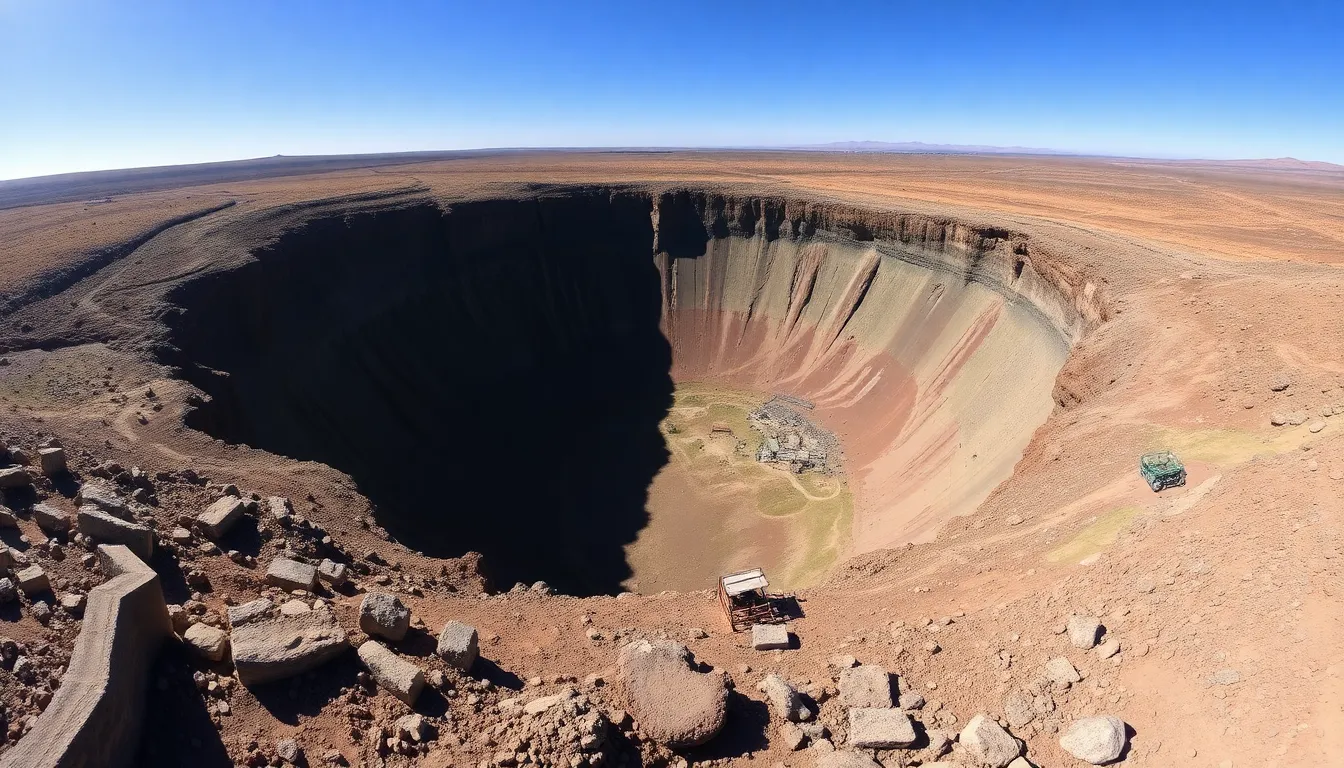
Nestled in the heart of South Africa, the Big Hole Battlefield is a treasure trove of history just waiting to be explored. Picture this: a massive crater formed by a diamond rush that turned ordinary folks into fortune seekers, all while igniting a fierce battle for control. It’s like a real-life treasure map, but instead of X marking the spot, you’ve got a giant hole!
Overview of Big Hole Battlefield
Big Hole Battlefield represents a significant historical site located in South Africa. The battlefield marks the site of the 1870s diamond rush, which drew thousands to the area. This massive crater, one of the largest hand-excavated holes on the planet, epitomizes the fierce conflicts for diamond control. It extends approximately 1,600 meters in circumference and reaches a depth of 215 meters.
During the mining frenzy, individuals transformed into fortune seekers, resulting in a dramatic shift in the local economy and culture. Diamonds unearthed from the ground created opportunities and rivalries alike, driving competition among miners. The countless battles that ensued shaped the region’s history, with many individuals losing their lives in pursuit of wealth.
The site now serves as a popular tourist attraction, allowing visitors to explore its rich history. Exhibits highlight the miners’ struggles and the challenges they faced during the diamond rush. Guided tours provide insights into the daily lives of those who toiled in the harsh conditions, emphasizing the human stories intertwined with the battlefield.
Conservation efforts play a crucial role in preserving the site’s legacy. Local organizations work diligently to maintain the area and educate the public about its significance. By promoting awareness of its historical context, they ensure that the narrative of Big Hole Battlefield continues to resonate with future generations.
Historical Significance
Big Hole Battlefield represents a pivotal chapter in South Africa’s mining history. It embodies the conflict over diamonds, which transformed the region’s economy and social dynamics.
Background of the Battle
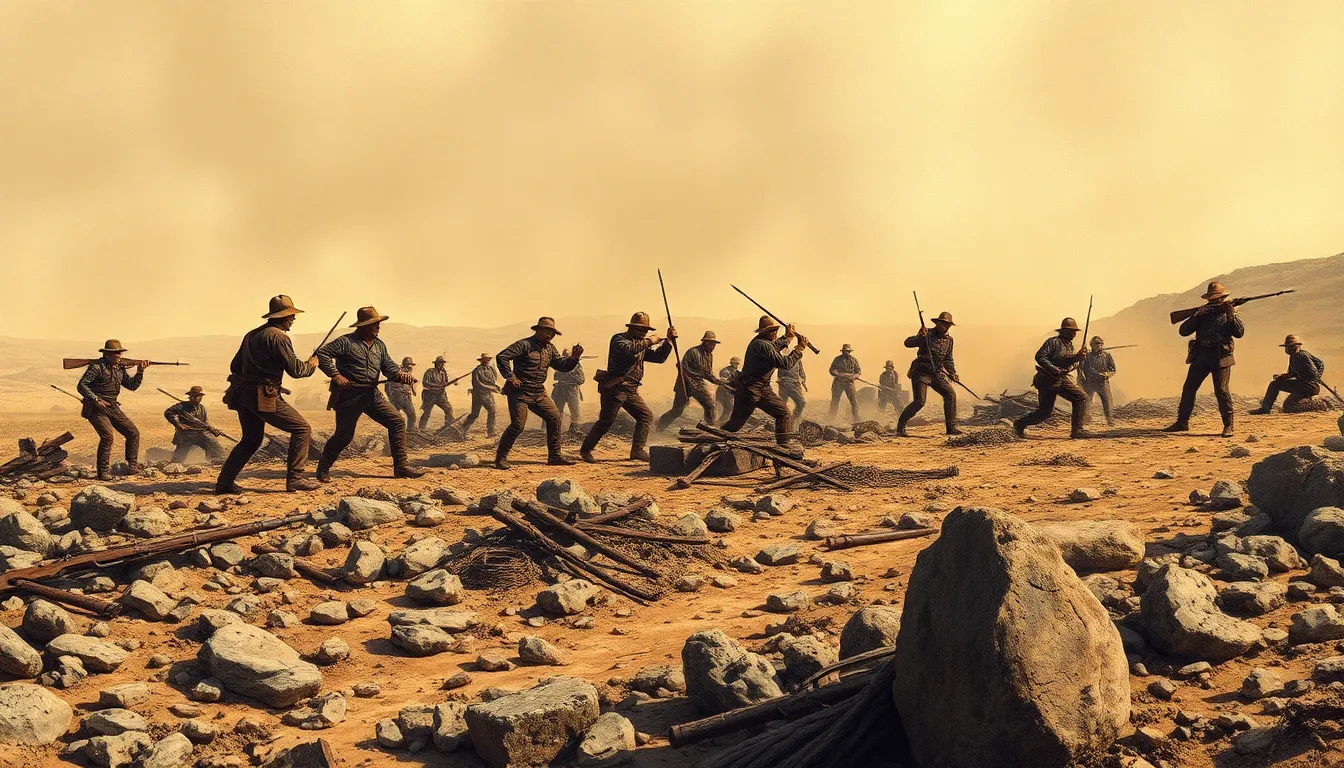
The struggle for control over the diamond-rich land ignited numerous skirmishes during the 1870s. Established miners faced off against newcomers in a bid to stake their claims. These confrontations often escalated into full-blown battles, with hundreds participating in violent clashes. Further complicating the situation, various groups entered the fray, each seeking dominance. Such intense rivalry over wealth led to a legacy marked by both loss and ambition. It laid the groundwork for the socio-economic changes that followed the diamond rush.
Key Figures Involved
Prominent figures emerged amidst the chaos of the diamond rush. Cecil Rhodes, a major player, sought to monopolize diamond production and expand his influence. Miners like Barney Barnato also rose to prominence, competing fiercely against Rhodes. Each individual had goals that shaped the industry’s landscape and intensified conflicts. They often employed aggressive tactics to secure their interests and outmaneuver rivals. Figures from various backgrounds contributed to the complexity of this historical narrative, showcasing a diverse range of motivations and ambitions during this transformative era.
The Battle Unfolds
The Big Hole Battlefield witnessed intense conflicts during the diamond rush era, shaping its historical significance. Key events during this tumultuous period marked the struggle for dominance among miners.
Major Events of the Battle
Notable confrontations erupted both spontaneously and premeditatedly. Various clashes occurred as established miners defended their claims against newcomers, sparking violence among hundreds. A pivotal event in 1874 saw a large-scale skirmish, resulting in numerous injuries and the loss of lives, highlighting the volatile atmosphere of competition. With each confrontation, tensions escalated. The introduction of armed groups intensified the stakes as rival factions fought fiercely for control over resources. These bloody encounters etched the Big Hole Battlefield into the annals of mining history, showcasing the desperation and determination of individuals chasing fortune.
Strategies Used by Both Sides
Strategic maneuvers played a vital role in these battles. Miners employed unique tactics to protect their claims and fortify their positions. Defensive structures emerged, including makeshift barricades and lookout points, designed to gain the upper hand against rival groups. In contrast, attackers often utilized surprise assaults, catching opponents off guard. Well-organized coalitions formed among miners, pooling their resources and manpower for more effective counterattacks. Both sides adapted quickly to changing circumstances, adjusting their strategies in response to successes and setbacks encountered during the frequent skirmishes. These strategic endeavors underscored the relentless pursuit of wealth and the lengths individuals went to safeguard their interests.
Aftermath and Impact
The aftermath of the Big Hole Battlefield marked significant changes both locally and nationally. Mining disputes resulted in lasting consequences for the community. Many casualties occurred during battles, creating a somber reminder of the conflict over resources. Additionally, the influx of miners transformed social structures.
Consequences of the Battle
Casualties numbered in the hundreds, leaving families devastated. Tensions between established miners and newcomers escalated, resulting in ongoing hostilities. Local economies fluctuated as industries struggled and communities adjusted. Safety measures became paramount, leading to the development of regulations for mining practices. Wealth generated from diamonds attracted entrepreneurs, but it also fueled corruption and crime.
Legacy of Big Hole Battlefield
The Big Hole Battlefield symbolizes resilience in the face of adversity. Its historical significance serves as a lesson in resource competition. Tourists flock to the site, where exhibits reveal the harsh realities of mining life. Educational programs promote awareness of the area’s heritage, ensuring its stories are told. Conservation efforts focus on preserving the battlefield for future generations. Recognizing the past remains vital to understanding present and future societal dynamics.
Preservation Efforts
Local organizations actively participate in the preservation of the Big Hole Battlefield. These efforts aim to maintain the site’s historical integrity while promoting awareness of its significance. Initiatives include conservation programs focused on protecting artifacts and structures from deterioration. The involvement of community volunteers enhances these projects, as they contribute time and resources.
Educational programs play a crucial role in these preservation efforts. They engage visitors with the rich history of the diamond rush era, emphasizing the struggle for control over resources. Exhibits provide insights into the lives of miners, ensuring their stories remain relevant. Guided tours highlight the battlefield’s historical context, fostering a deeper appreciation among tourists.
Collaboration with historians and archaeologists ensures the accuracy of preservation initiatives. Experts conduct research to inform conservation strategies that respect the site’s legacy. By sharing findings with the public, these professionals promote understanding of the site’s impact on South Africa’s mining history.
Community festivals celebrate the battlefield’s heritage, reinforcing its cultural importance. Through these events, locals and visitors alike connect with the past, celebrating the resilience of the miners. Partnerships with schools enhance youth engagement, encouraging a new generation to value historical preservation.
Financial support from both government and private sectors strengthens these efforts. Grants and donations fund restoration projects, ensuring ongoing maintenance. Such investments signify a commitment to safeguarding the Big Hole Battlefield for future generations. These combined efforts illustrate the community’s dedication to honoring the past while educating others about the complexities of resource competition.
The Big Hole Battlefield stands as a testament to the tumultuous history of South Africa’s diamond rush. Its vast expanse not only marks a significant geographical feature but also embodies the fierce struggles for wealth and power that shaped the region. As ongoing preservation efforts continue to honor the miners’ stories, the site remains a vital educational resource. Visitors can explore the complexities of this historical chapter while reflecting on the resilience of those who sought fortune amid conflict. The legacy of the Big Hole Battlefield serves as a reminder of the intricate relationship between resource competition and societal change, ensuring its relevance for generations to come.