
In a world where dragons roam and heroes rise, RPG games have carved out a special place in the hearts of gamers everywhere. Whether you’re slaying monsters in a medieval kingdom or embarking on an intergalactic quest, these games offer endless adventures that can keep players glued to their screens for hours. But with so many titles to choose from, how do you pick your next epic journey?
Fear not, fellow gamer! This guide dives into some of the most beloved RPGs that have captured imaginations and sparked countless late-night gaming sessions. From classic turn-based battles to immersive open worlds, there’s something for everyone. So grab your controller, summon your courage, and get ready to explore the enchanting realms of your favorite RPGs. After all, who wouldn’t want to save the world while wearing a wizard hat?
Overview of Favorite RPG Games
RPG games offer diverse experiences that captivate gamers. Classic titles often feature intricate storylines and complex character development. Open-world RPGs invite players to explore vast landscapes filled with quests. Many favor turn-based mechanics, which involve strategic combat and thoughtful decision-making.
Popular RPGs like “The Witcher 3: Wild Hunt” engage players with immersive narratives and rich lore. Characters grow and evolve, allowing players to form strong emotional connections. “Final Fantasy VII” is another beloved title, appreciated for its impactful story and iconic soundtrack.
Fast-paced action RPGs, such as “Dark Souls,” challenge players with intense combat and rewarding gameplay. Players face tough foes, requiring skill and persistence to progress. Meanwhile, franchise games like “Elder Scrolls V: Skyrim” allow for unparalleled freedom in gameplay choices and character customization.
Indie RPGs also receive recognition, bringing fresh ideas and unique mechanics to the genre. Titles like “Undertale” showcase alternative approaches to storytelling and gameplay, highlighting innovation in design. Many enjoy the nostalgia of retro games, with pixel art styles and simple mechanics evoking fond memories.
Different RPG subgenres cater to varying preferences, ensuring something for every player. Multiplayer options enhance the experience, allowing for cooperative gameplay and shared adventures. Gamers often bond over their favorite titles, fostering communities that celebrate shared interests.
Whether venturing through mystical lands or engaging in battles against formidable foes, RPGs consistently provide unforgettable experiences. The vast selection ensures players can find the perfect adventure tailored to their tastes.
Classic RPG Games
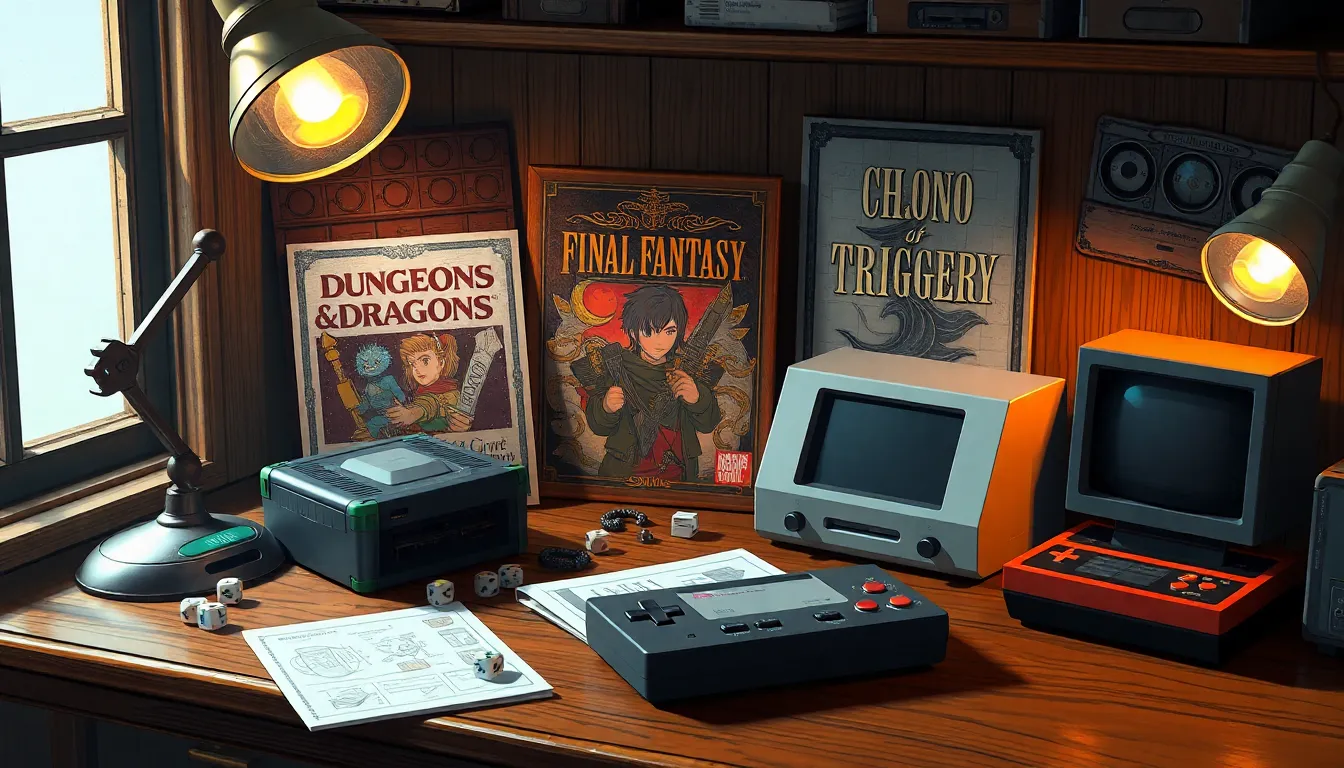
Classic RPG games laid the foundation for the genre, captivating players with their intricate narratives and character progression. Fans of RPGs cherish these early titles for their innovative gameplay and storytelling.
Pioneers of the Genre
Pioneering titles like “Dungeons & Dragons” set the stage for role-playing adventures. These games introduced players to character creation, dice mechanics, and cooperative play. “Final Fantasy” emerged in 1987, revolutionizing the JRPG landscape with its rich story and memorable characters. “Chrono Trigger” followed, featuring time travel and multiple endings that allowed for unique playthroughs. These groundbreaking games shaped RPG mechanics, inspiring numerous titles that came after.
Timeless Titles
Timeless classics like “The Elder Scrolls III: Morrowind” offer expansive worlds brimming with quests. “Baldur’s Gate” continues to engage players with its deep storytelling and relatable characters. “The Legend of Zelda: Ocarina of Time” captivates players with its blend of action and adventure, setting a standard for 3D gameplay. “Final Fantasy VII” remains iconic due to its emotional narrative and memorable cast. Each of these titles contributes to the enduring appeal of classic RPGs, solidifying their legacies in the gaming community.
Modern RPG Games
Modern RPG games offer diverse experiences that captivate players with their innovative gameplay and stunning visuals.
Innovative Gameplay Mechanics
RPGs showcase unique gameplay mechanics that enhance player engagement. Games like “Cyberpunk 2077” feature dynamic world interactions, allowing players to affect the storyline through choices. “Divinity: Original Sin 2” highlights turn-based combat with rich strategic options. The incorporation of actions, such as environmental manipulation, adds depth to every encounter. “Persona 5” brings a life simulation aspect, blending daily activities with traditional RPG elements. Each title pushes boundaries, encouraging creativity and strategic thinking in gameplay.
Stunning Visuals and Graphics
Modern RPGs impress with breathtaking visuals and graphics. “Final Fantasy VII Remake” introduces stunning character models and intricate environments that immerse players in the story. “Elden Ring” boasts expansive landscapes and detailed world design, contributing to its allure. Developers now use advanced technologies to create realistic lighting and textures that enhance immersion. Titles like “Genshin Impact” provide vibrant, artistic styles that appeal to a wide audience. The visual fidelity of these games elevates the overall experience, drawing players into rich, interactive worlds.
Role of Storytelling in RPG Games
Storytelling serves as the backbone of RPG games, delivering rich experiences that captivate players. Engaging narratives draw gamers into imaginative worlds.
Character Development
Character development plays a crucial role in creating immersive experiences. Players often witness growth in their characters through dynamic arcs, challenging choices, and meaningful interactions. Characters evolve based on player decisions, allowing unique emotional connections to form. Titles like “The Witcher 3: Wild Hunt” and “Persona 5” exemplify this, featuring protagonists navigating personal dilemmas and moral choices. Gamers often find themselves invested in the journey, enhancing their connection to the game. Emotional depth resonates with players, bringing life to character arcs and fostering memorable connections.
Engaging Narrative Arcs
Engaging narrative arcs captivate players by intertwining deep plots with layered storytelling. RPGs often feature complex storylines that unfold based on player choices, immersing them in the narrative. In “Final Fantasy VII,” players experience unexpected twists that elevate emotional stakes. Branching paths allow gamers to explore various outcomes, creating a sense of ownership over their journey. Rich world-building and well-developed lore support these arcs, enriching the overall experience. Players often uncover hidden narratives through exploration, adding layers of depth and intrigue. Engaging narrative arcs ensure that each RPG game offers unique storytelling experiences.
Community and Multiplayer Aspects
RPG games thrive on their community and multiplayer dynamics, engaging players in various forms of cooperative and competitive gameplay.
Co-op and Competitive Features
Cooperative play often stands at the forefront of RPGs. Titles like “Borderlands” invite friends to team up for shared experiences filled with exciting quests. Players can tackle challenging missions together, sharing loot and strategy. Competitive elements also exist, with games like “Final Fantasy XIV” offering both PvE and PvP options. Raids and battlegrounds create opportunities for players to test their skills against one another, ensuring high-stakes encounters contribute to thrilling gameplay. These features foster connections among players, making it easier to find common ground through shared goals and challenges.
Fan Communities and Mods
Fan communities play a crucial role in the longevity of RPG titles. Forums and social media groups serve as hubs for discussions, tips, and fan creations. Many players share mods that enhance gameplay, adding new quests or characters to beloved titles. For instance, “Skyrim” boasts a thriving modding scene that extends the game’s replayability significantly. Players often create and exchange content, enriching the experiences of others. Engaging with these communities allows fans to deepen their investment in the games they love, fostering a vibrant ecosystem that supports continuous exploration and creativity.
RPG games continue to enchant players with their rich narratives and immersive worlds. The diverse gameplay options cater to every type of gamer, whether they prefer classic turn-based mechanics or expansive open-world exploration. With captivating stories and character development at their core, these games foster deep emotional connections that resonate long after the quest ends.
As the genre evolves, modern titles push boundaries with innovative gameplay and stunning visuals, ensuring that RPGs remain a staple in the gaming community. The thriving fan communities and multiplayer experiences further enhance the allure, inviting players to embark on unforgettable adventures together. Ultimately, the magic of RPGs lies in their ability to transport players into extraordinary realms, making each journey unique and memorable.