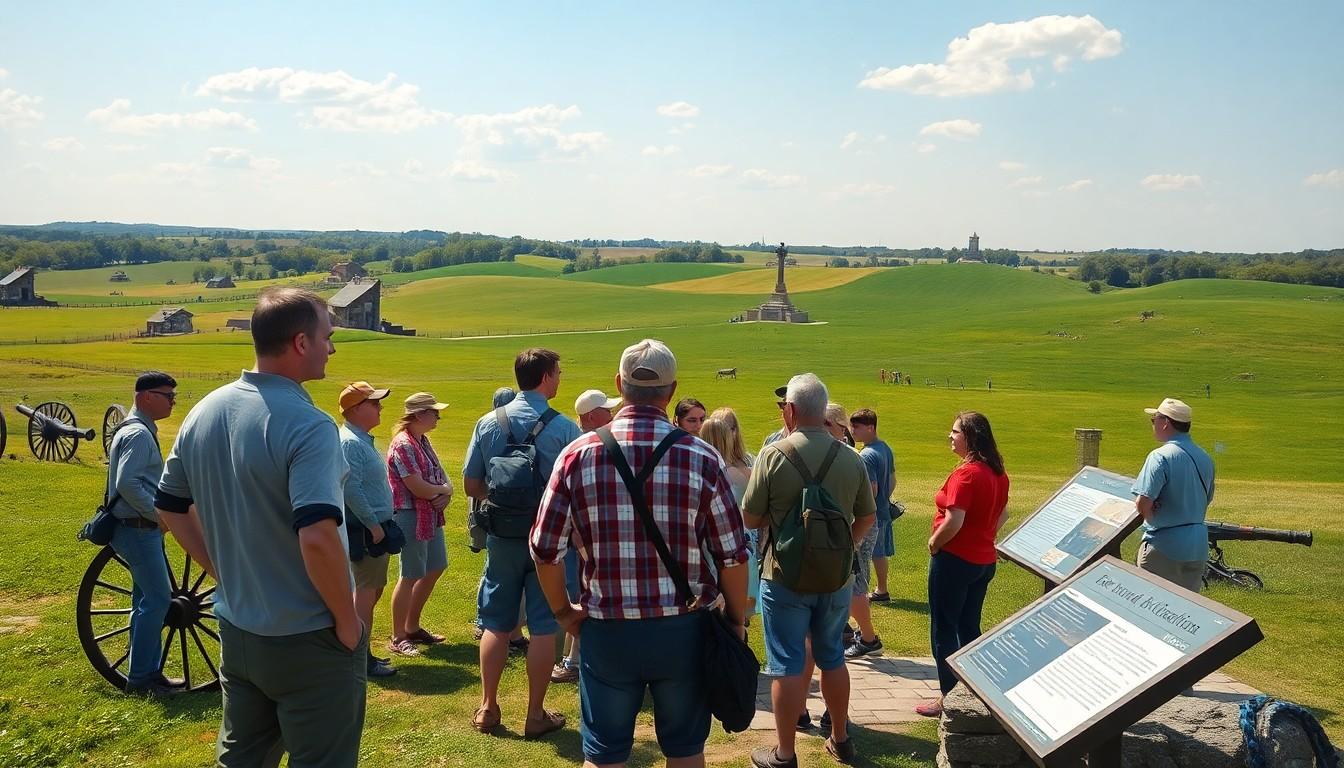
Imagine wandering through a place where history whispers tales of valor, sacrifice, and the occasional blunder. Old battlefields aren’t just patches of land; they’re living museums, each blade of grass a witness to epic confrontations and questionable tactics. From the echoes of cannon fire to the ghostly footprints of soldiers long gone, these sites invite adventurers and history buffs alike to step into a time machine.
Overview of Old Battlefields
Old battlefields serve as exceptional links to the past, revealing stories of valor, sacrifice, and the complexities of war. These sites invite exploration from those interested in history and adventure alike.
Significance in History
Historical significance marks old battlefields as essential to understanding conflicts. They represent critical moments in national narratives, offering insights into military strategies and societal impacts. Each battlefield encapsulates unique events and experiences, reflecting the sacrifices made by soldiers. Visitors can engage directly with history by walking the grounds where pivotal battles occurred. Educational programs often emphasize the importance of these sites, making them centers for learning about the human cost of war.
Preservation Efforts
Preservation efforts for old battlefields focus on maintaining their historical integrity. Organizations and governments collaborate to protect these sites from urban development and environmental degradation. Funding and community support play crucial roles in restoration initiatives. By establishing national parks and historical sites, authorities ensure that future generations can appreciate these locations. Ongoing stewardship includes maintaining artifacts, monuments, and landscapes that contribute to the narratives surrounding each battlefield. These collective actions safeguard the memory of those who served and fought.
Notable Old Battlefields

Historic battlefields reflect the deep-seated narratives of human conflict, with each location offering unique experiences and stories.
Gettysburg
Gettysburg, located in Pennsylvania, marks a crucial turning point in the American Civil War. The Battle of Gettysburg, fought from July 1 to July 3, 1863, resulted in significant casualties and ultimately determined the fate of the Union. Visitors can explore the expansive grounds, which include monuments, memorials, and the Gettysburg National Cemetery. The site welcomes over a million visitors annually, providing educational programs that highlight the battle’s strategic importance. Additionally, immersive tours feature guides who share personal accounts of soldiers and the intense battles fought there.
Antietam
Antietam is known as the site of the bloodiest single-day battle in American history, occurring on September 17, 1862. Situated in Sharpsburg, Maryland, this battlefield has enduring significance in the narrative of the Civil War. The outcome of Antietam provided President Abraham Lincoln the opportunity to issue the Emancipation Proclamation. Historical landmarks such as the Sunken Road and Burnside’s Bridge attract many history enthusiasts. Multiple walking trails guide visitors through critical locations, allowing them to engage actively with the historical context of the battle.
Waterloo
Waterloo, located in Belgium, is internationally recognized as the battleground where Napoleon Bonaparte faced defeat on June 18, 1815. This pivotal battle reshaped European history and political landscapes. The battlefield features a large memorial mound, known as the Lion’s Mound, offering stunning views of the surrounding countryside. Significant monuments and reenactments draw thousands of tourists each year, who come to witness the living history firsthand. Local museums provide educational insights into military strategies and the broader implications of the battle on world events.
Visitor Experience on Old Battlefields
Old battlefields offer immersive experiences that connect visitors with history and its stories. Engaging with these historical sites brings the past alive through various activities and resources.
Guided Tours
Guided tours provide an enriching way to explore old battlefields. Knowledgeable guides share in-depth narratives about pivotal events, significant figures, and the lasting impacts of battles. Tour groups can vary in size, accommodating both small and large visitors. Audio tours also present an option for those preferring a self-paced experience. Many sites now offer mobile apps that enhance the visitor journey, allowing for interactive exploration. Engaging with firsthand accounts, participants gain insights into the strategies and challenges faced by soldiers. Walking through the grounds often connects visitors to the emotions and sacrifices of those who fought.
Educational Resources
Educational resources play a crucial role in enhancing visitor experiences at old battlefields. Interpretive signage provides context and encourages reflection on key historical moments. Many sites feature visitor centers equipped with multimedia displays, enriching understanding of the events that occurred. Workshops and lectures may delve deeper into various aspects of warfare, ethics, and the human cost of conflict. Field trips for students are increasingly popular, allowing younger generations to learn about history in a hands-on manner. Many battlefields also offer literature and documentaries that highlight their unique narratives. Resources ensure visitors leave with a deeper appreciation for the past and its ongoing relevance in society.
Impact of Old Battlefields on Local Communities
Old battlefields influence local communities significantly. These historic sites serve as vital links between the past and present, fostering both economic growth and cultural recognition.
Economic Benefits
Old battlefields boost local economies through tourism. They attract millions of visitors, generating revenue for accommodations, restaurants, and local businesses. Annual visitor numbers for sites like Gettysburg exceed one million, bringing funds into the area. Communities hosting these battlefields benefit from increased traffic during special events, reenactments, and educational programs. Local jobs often arise from tourism services, enhancing overall economic stability. Therefore, preserving these battlefields not only honors history but also stimulates local economies.
Cultural Importance
Cultural significance permeates the existence of old battlefields. These sites embody stories of heroism and sacrifice, contributing to regional and national identities. Educational programs help communities connect with their past, fostering a sense of pride and responsibility. Historical commemorations, performances, and events celebrate local heritage while promoting community engagement. As living museums, battlefields encourage discussions about the impact of war on society, ensuring that lessons from history resonate with future generations. Consequently, they play a crucial role in maintaining cultural continuity and fostering understanding of shared histories.
Conclusion
Old battlefields serve as vital connections to the past, offering profound insights into history and the human experience. They invite exploration and reflection, allowing visitors to engage with the stories of those who fought bravely. By preserving these sites, communities not only honor sacrifices made but also cultivate economic growth and cultural pride.
As more people discover the significance of these historic locations, the importance of their preservation becomes increasingly clear. Through continued support and education, future generations will have the opportunity to learn from the past, ensuring that the echoes of history resonate for years to come.