In a world where dragons roam and heroes rise, interactive RPGs stand out as the ultimate playground for imagination. Picture this: you’re not just a spectator but the star of your own epic saga. With every choice you make, the story twists and turns, leaving you on the edge of your seat—who knew saving the kingdom could be so thrilling?
What Is an Interactive RPG?
Interactive RPGs, or role-playing games, immerse players in rich, fictional worlds. Players assume the roles of characters, navigating intricate storylines that evolve based on their choices.
Definition of Interactive RPG
An interactive RPG combines storytelling with gameplay, allowing players to experience a narrative uniquely. These games emphasize player agency, giving individuals the power to make decisions that directly impact the game’s outcome. Engaging mechanics include character development, quest completion, and exploration, which create a multi-faceted gaming experience.
Key Features of Interactive RPGs
Distinctive elements characterize interactive RPGs. Players often encounter expansive worlds packed with quests, characters, and lore. Character customization is a priority, enabling individuals to develop unique identities and skills. Quest systems often vary, offering choices between linear paths or non-linear exploration. Additionally, branching dialogue systems enhance immersion by allowing meaningful interactions with NPCs. These features collectively contribute to the captivating nature of interactive RPGs.
History of Interactive RPGs
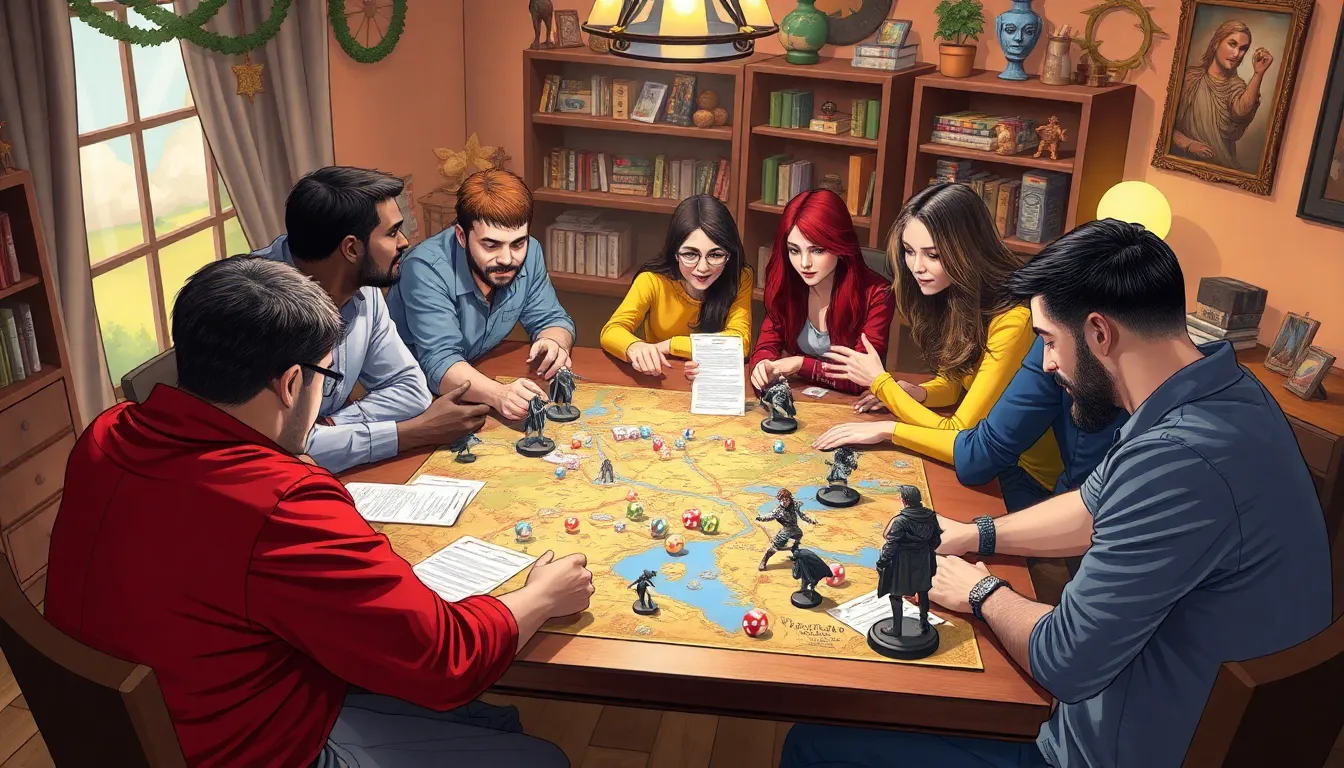
Interactive RPGs emerged in the late 20th century, shaped by advancements in gaming technology and storytelling. These games invite players to immerse themselves in dynamic narratives where every choice counts.
Evolution Over the Years
Tabletop RPGs, such as Dungeons & Dragons, laid the foundation for digital interactive RPGs. In the 1980s, early computer games began incorporating role-playing elements, shifting gameplay from strictly linear paths to more player-driven experiences. The 1990s saw the introduction of 3D graphics and expansive game worlds, leading to classics like Final Fantasy VII and The Elder Scrolls series. Massively multiplayer online RPGs, like World of Warcraft in the early 2000s, further transformed the genre by allowing hundreds of players to collaborate and compete in real-time. Continuous innovations and genre expansions consistently redefine the boundaries of interactive RPGs.
Impact of Technology on RPGs
Technological advancements have significantly shaped the development of interactive RPGs. Improved graphics and sound quality create vivid gaming environments that enhance player engagement. Development of artificial intelligence allows for more realistic non-player character interactions, making choices seem impactful. Additionally, the rise of online gaming platforms facilitates community building and player interaction, fostering a richer gameplay experience. Mobile technology has further expanded accessibility, allowing RPGs to reach broader audiences and enabling immersive gameplay on-the-go. Enhanced storytelling techniques now engage players deeply, ensuring that they experience narratives in unique and compelling ways.
Popular Interactive RPGs
Many interactive RPGs captivate players with their rich storytelling and immersive gameplay. A selection of notable titles showcases the best of this genre’s offerings.
Notable Titles and Their Features
The Witcher 3: Wild Hunt combines an expansive open world with intricate character development. Players make impactful choices that shape the narrative. Persona 5 embraces a unique blend of life simulation and dungeon crawling, allowing players to balance school life with battling supernatural forces. Final Fantasy VII Remake reimagines a classic, providing real-time combat alongside a deeply engaging plot. Each title offers various features that enhance player experience, such as detailed world-building, strong character arcs, and dynamic choices.
Community Favorites
Games like Skyrim feature a vast open world where exploration and player freedom reign supreme. Dark Souls captivates players with its challenging gameplay and rich lore, creating a dedicated fanbase. Divinity: Original Sin 2 stands out with its turn-based combat and cooperative multiplayer elements, fostering teamwork. Additionally, Mass Effect series captivates with strong character interactions and branching storylines. These titles resonate with players, fostering passionate communities that celebrate their shared experiences.
Gameplay Mechanics
Interactive RPGs focus on multiple gameplay mechanics that enhance the player’s experience. Character development and storytelling techniques play crucial roles in shaping gameplay.
Character Development
Character development allows players to create unique avatars. Players can customize attributes such as appearance, skills, and backgrounds. Progression systems let characters grow stronger through experience points earned from quests or battles. Many games feature branching skill trees, enabling players to specialize in certain abilities or combat styles. Impactful choices during gameplay can significantly affect character relationships and overall narrative outcomes. This depth in customization fosters a strong connection between players and their characters, enriching the overall gaming experience.
Storytelling Techniques
Storytelling techniques significantly enhance player immersion in interactive RPGs. Games often employ nonlinear narratives, giving players the freedom to explore different story paths based on their choices. Dialogue trees incorporate meaningful conversations that allow players to influence relationships and story progression. Additionally, rich lore and worldbuilding create a vibrant backdrop, pulling players into the narrative. Cinematic cutscenes may punctuate pivotal moments, emphasizing emotional stakes. These methods ensure that players engage deeply with the game’s story, making each decision impactful and memorable.
The Future of Interactive RPGs
The future of interactive RPGs promises growth and innovation. Players can expect increasingly immersive experiences as technology advances.
Emerging Trends
Cross-platform play emerges as a key trend, allowing players to engage with friends across various devices. Cloud gaming also gains traction, enabling access to high-quality RPGs without the need for expensive hardware. Enhanced AR and VR experiences create a more dynamic environment, drawing players deeper into fantastical worlds. Narrative-driven gameplay continues to evolve, with a shift towards more player-driven storytelling that allows for unique and personalized experiences. As developers push boundaries, collaborative storytelling becomes a focal point, emphasizing shared adventures in vibrant universes.
Potential Innovations
Artificial intelligence plays a crucial role in shaping the future of interactive RPGs. AI-driven NPCs enhance realism with adaptive behaviors and lifelike interactions. Sophisticated algorithms analyze player choices, allowing for tailored narratives and unexpected plot developments. Additionally, procedural generation improves world-building by creating vast and varied environments in real-time. Integrating blockchain technology for unique in-game assets fosters true ownership and community engagement. Lastly, voice recognition technology allows players to interact naturally with their surroundings, deepening the connection to the game world.
Interactive RPGs offer a unique blend of storytelling and gameplay that captivates players in immersive worlds. As technology continues to advance the gaming experience, the genre is poised for exciting developments. Enhanced graphics sound and AI are set to deepen player engagement while innovations like AR and VR promise to redefine how stories are told.
The future of interactive RPGs looks bright with trends that prioritize player agency and personalized experiences. As gamers explore these evolving landscapes they’ll find themselves not just as participants but as architects of their own adventures. With each decision shaping their journey the allure of interactive RPGs will only grow stronger.