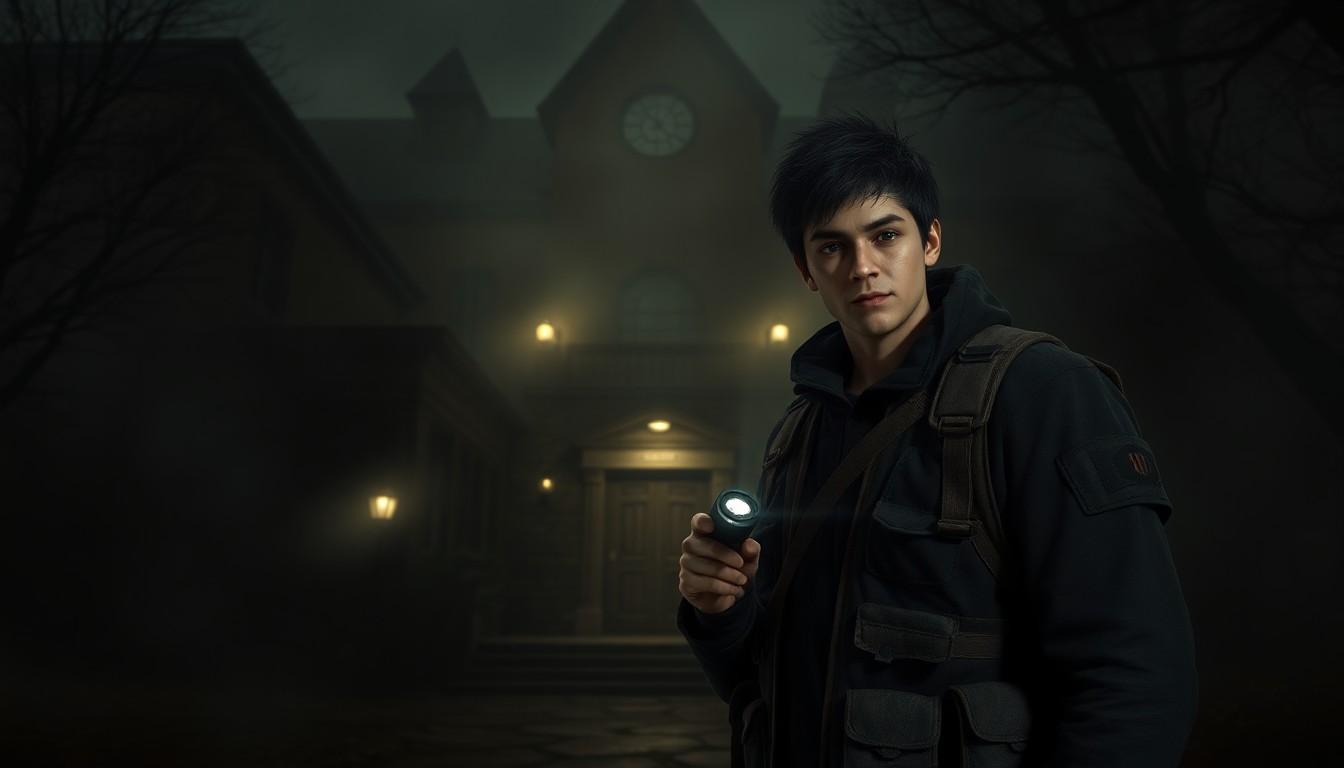
In a world where friendly monsters and cheerful quests reign, horror RPG games invite players to step into the shadows. They blend storytelling, strategy, and spine-chilling thrills, crafting experiences that make players question their sanity—and their choice of snacks. Who needs a cozy campfire when you can have a haunted mansion filled with unspeakable horrors?
Overview of Horror RPG Games
Horror RPG games evoke strong emotions by immersing players in dark, atmospheric settings. These titles often feature complex narratives that intertwine horror elements with strategic gameplay. Players face morally challenging decisions that not only affect the story but also impact character development and survival.
Popular examples of horror RPG games include Silent Hill, renowned for its psychological horror and unsettling sound design. Another notable title, Bloodborne, showcases intense combat paired with a haunting Gothic atmosphere. In each game, players navigate rich, story-driven environments that draw them deeper into the chilling plots.
Mechanics in horror RPGs frequently involve resource management. Players often collect limited supplies, enhancing the tension as they explore eerie landscapes filled with unknown threats. Character customization options allow for personalization, letting players tailor their experiences based on choices and playstyles.
Narrative depth sets horror RPGs apart from other genres. Unique lore often contributes to a rich world-building experience, where environmental storytelling complements character arcs. Voice acting and sound design play crucial roles in delivering immersive storytelling, amplifying the fear factor throughout the gameplay.
Additionally, horror RPG games regularly introduce psychological elements, tapping into players’ fears and anxieties. These aspects create an unsettling atmosphere, fostering a sense of dread during each encounter. The combination of strategy, suspense, and storytelling results in a captivating experience that resonates with players long after the game concludes.
Key Features of Horror RPG Games

Horror RPG games excel at immersing players in a spine-tingling experience. Several key features contribute to their unique appeal.
Atmosphere and Setting
Atmosphere envelops players, creating a sense of dread and tension. Dark, eerie environments filled with unsettling audio cues heighten emotional responses. Locations range from abandoned mansions to secluded forests, each designed to evoke fear. Lighting plays a crucial role, often limited to shadows and flickering sources that amplify the unknown. Players feel as if they’re part of a living nightmare, where every corner hides potential danger.
Narrative and Storytelling
Narrative depth captivates players, intertwining complex plots with rich lore. Choices faced by players significantly impact story outcomes, fostering emotional investment. Engaging dialogue and dynamic character interactions enhance immersion. Many horror RPGs unfold through environmental storytelling, with scattered details revealing backstory and mythology. Themes often explore psychological torment, moral ambiguity, and existential dread, ensuring each playthrough feels distinct and thought-provoking.
Character Development
Character development provides personalization, allowing players to shape their heroes. Unique traits and skills enhance gameplay strategies, leading to varied experiences. Decisions made throughout the game influence character arcs, reflecting moral dilemmas and personal growth. Customization options enable players to create distinct personas, enhancing attachment to their characters. Players often navigate relationships with NPCs, deepening the narrative’s complexity and enriching overall gameplay.
Popular Horror RPG Games
Horror RPG games captivate players with their unique blend of storytelling, immersive gameplay, and atmospheric dread. Exploring these titles reveals what makes them standout experiences.
Silent Hill
Silent Hill remains a cornerstone of horror RPG gaming. Players navigate the fog-laden streets filled with psychological terror. Complex narratives unfold through environmental storytelling and character interactions. Choices made throughout the game impact the storyline, leading to multiple endings. Psychological horror elements, such as distorted reality and emotional struggle, create a haunting atmosphere. Engaging gameplay mechanics focus on resource management, enhancing tension as players confront nightmarish creatures. Players often remember the chilling soundtrack, which heightens feelings of anxiety while exploring the desolate town.
Bloodborne
Bloodborne presents a visceral experience with its gothic horror framework. Players traverse the haunting streets of Yharnam, battling grotesque beasts and pursuing deeper truths. Intense combat mechanics allow for aggressive strategies, pushing players to adopt varied playstyles. The game’s intricate lore intertwines with the dark atmosphere, revealing secrets that draw players further into the narrative. Character customization adds depth, allowing choices to influence gameplay and the story. Players often find themselves drawn to the eerie art direction and haunting visuals. An orchestral score amplifies the dark mood during confrontations with formidable foes, providing a richly immersive experience.
Amnesia: The Dark Descent
Amnesia: The Dark Descent revolutionizes the horror RPG genre with its emphasis on psychological terror. Players experience helplessness as they navigate a dark, foreboding castle filled with threats. Innovative mechanics focus on sanity, forcing players to manage their mental state while exploring. The absence of combat options heightens fear, compounding the challenge of escaping various horrors. Engaging narratives unfold through environmental clues and journal entries, revealing the protagonist’s troubling past. Players often recall the unsettling sound design, which makes each encounter more gripping. Fear and suspense build as their every choice impacts survival within the chilling atmosphere.
The Future of Horror RPG Games
Innovative technology will shape the future of horror RPG games. Virtual reality promises deeper immersion, allowing players to physically engage with chilling environments. Enhanced graphics will elevate the atmospheric dread, creating more realistic and unsettling visuals.
Artificial intelligence enhances NPC behavior, introducing unpredictable elements that elevate tension. Player interactions might become more dynamic, responding to emotional cues and choices. These advancements could lead to new gameplay mechanics that revolutionize the genre.
Social experiences may also evolve, with multiplayer options creating shared moments of terror. Players could collaborate in haunted settings, crafting unique narratives through their interactions. This communal approach adds a layer of unpredictability to the horror experience.
Storytelling techniques will progress, with adaptive narratives that change in real-time based on player choices. Such developments will intensify the emotional connections players form with characters. More complex branching storylines also promise to enhance replayability.
Accessibility features will grow in importance, ensuring horror RPGs reach a wider audience. Customization options might adjust difficulty levels, catering to diverse player preferences. By prioritizing player experience, developers can foster more inclusive environments in horror gameplay.
Emerging indie developers are fueling innovation in the genre. They often explore fresh narratives and unconventional mechanics. Furthermore, crowdfunding platforms provide opportunities to bring niche concepts to life that mainstream studios may overlook.
The fusion of horror elements with other genres will likely continue. This blending can produce unique experiences that challenge traditional gameplay conventions. As creativity flourishes in horror RPG development, players can expect increasingly engaging and chilling adventures.
Conclusion
Horror RPG games offer an unparalleled blend of storytelling and strategy that captivates players in ways few other genres can. The emotional depth and chilling atmospheres draw gamers into experiences that linger long after the screen goes dark. With innovative technology on the horizon, the future promises even more immersive and terrifying adventures.
As developers continue to push boundaries, players can expect richer narratives and enhanced gameplay mechanics that elevate the horror experience. The combination of psychological horror, moral dilemmas, and dynamic environments ensures that horror RPGs will remain a compelling choice for those seeking thrills. Ultimately, this genre invites players to confront their fears while navigating complex worlds filled with uncertainty and dread.