In the vibrant world of RPGs, weapons aren’t just tools for battle; they’re extensions of a player’s personality and strategy. Whether it’s a sword that glows with ancient magic or a quirky rubber chicken, each weapon tells a story and shapes the gameplay experience. But what does “RPG weapon” really mean?
Understanding RPG Weapon Meaning
Defining an RPG weapon involves recognizing its multifaceted role in gameplay. Weapons in RPGs extend beyond mere instruments of combat; they encapsulate character traits and influence strategic decisions. Each weapon type, from enchanted staffs to handheld blades, carries unique attributes that can alter a player’s approach to various challenges.
Weapons symbolize identity and style in the RPG universe. A player wielding a mighty axe might project a fierce warrior persona, while someone brandishing a quick dagger might emphasize agility and cunning. These choices not only affect gameplay mechanics but also shape interactions with other players and NPCs.
Different types of RPG weapons include melee and ranged options. Melee weapons, such as swords and hammers, require close proximity to adversaries. Ranged weapons, including bows and crossbows, allow players to attack from a distance, providing tactical advantages. Each category comes with its own set of advantages and drawbacks, necessitating careful selection based on the player’s strategy.
Magical weapons introduce another layer of complexity. Items like wands or spell-infused swords grant unique abilities. These can enhance storytelling elements, making weapon choice pivotal to character development. Discovering a new weapon often leads to quests that deepen the narrative, inviting players to explore their surroundings.
Players engage with weapons differently. Some focus on raw damage output, seeking powerful armaments, while others prioritize utility and special effects that augment their playstyle. Every weapon choice contributes to the overall experience, shaping how a character evolves in the RPG world.
Types of RPG Weapons
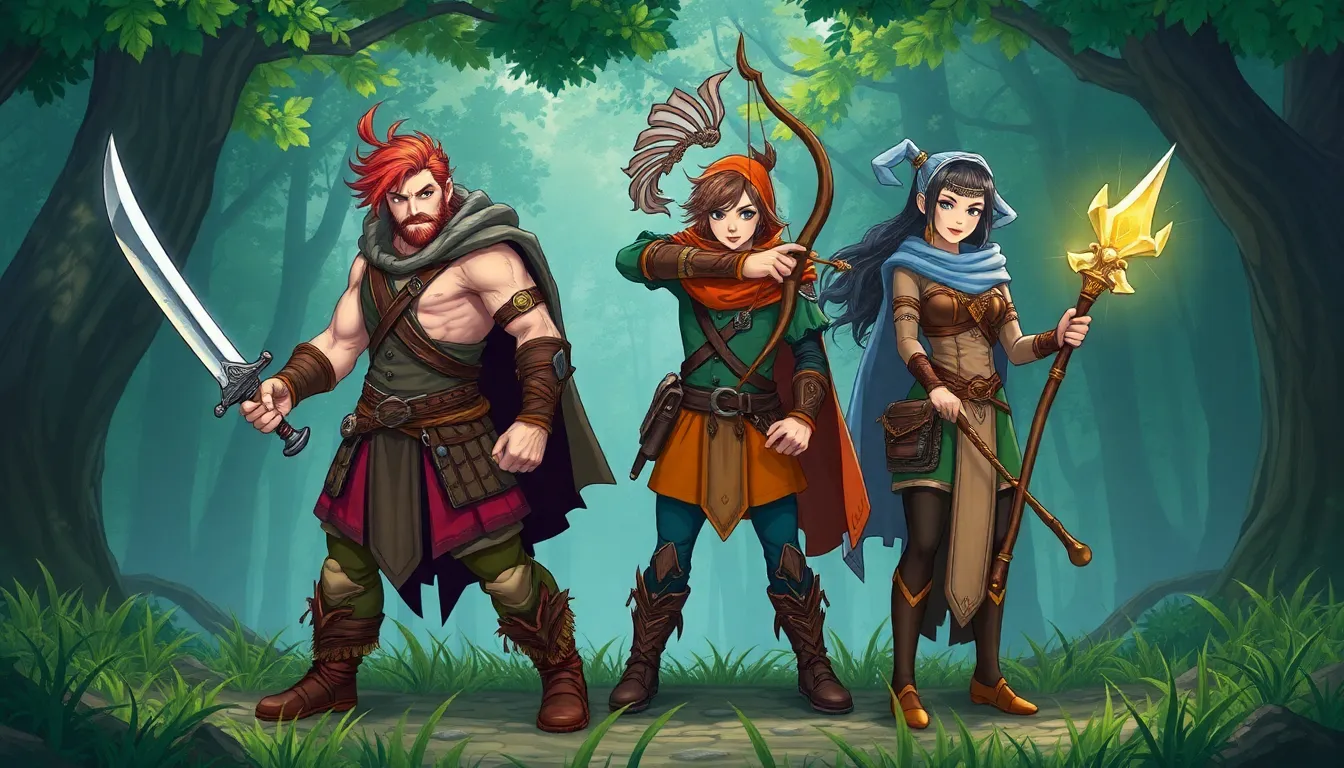
RPG weapons vary widely, serving different roles in gameplay with unique attributes. Understanding these types helps players make informed choices.
Conventional RPG Weapons
Conventional weapons remain fundamental in RPGs, consisting of swords, axes, and bows. These tools belong to the melee and ranged categories. Players often utilize melee weapons for close combat, favoring items like swords for their balance between speed and damage. Bows provide an advantage in ranged combat, allowing distance attacks while minimizing risk. Each weapon type maintains specific damage outputs and abilities, impacting player strategies. Players often customize these weapons with enhancements or upgrades for improved performance, aligning them with their character’s strengths and playstyle.
Advanced RPG Weaponry
Advanced weaponry incorporates unique elements that elevate gameplay. Magical staffs and high-tech guns illustrate this category, each bringing special effects. Enchanted weapons often possess abilities such as elemental damage or healing, enhancing combat effectiveness. Tech-infused weapons might offer features like energy blasts or automated targeting systems. Players can experience diverse tactical options through advanced weaponry, as these items introduce new mechanics and strategies into battle scenarios. Special properties not only define the gameplay but also foster deeper character interactions, legacy items, and lore incorporation.
The Role of RPG Weapons in Gameplay
Weapons in RPGs are crucial for both combat and character identity. Players often select weapons that resonate with their playstyle, influencing strategic decisions during gameplay. Each weapon type carries specific attributes that modify how players tackle encounters. For instance, magical weapons may offer unique abilities, enhancing a character’s effectiveness in diverse situations.
Melee and ranged options define the core of weapon choices. Melee weapons like swords dominate in close quarters, while ranged weapons such as bows provide safety from distance. Selecting the right weapon type can significantly affect a player’s approach to challenges and interactions with other players and NPCs. Customization opportunities allow players to enhance their weapons further, aligning them with character strengths and preferred strategies.
Advanced weaponry introduces unique elements that expand tactical possibilities. Magical staffs might grant spells, while futuristic firearms could offer rapid-fire capabilities. These sophisticated items enrich gameplay and provide new layers of character interaction. The weapons chosen not only define combat styles but also contribute to the game’s narrative, influencing the world and its lore.
In essence, RPG weapons serve as extensions of a player’s personality and strategic mindset. Choices made in weapon selection impact both personal gameplay and communal experiences within the game world. This multifaceted role underscores the importance of weapons in shaping the overall RPG experience.
RPG Weapon Mechanics
RPG weapon mechanics play a crucial role in shaping gameplay. Players interact with various types of weapons, each influencing their strategy and character development.
Damage and Range
Damage represents a weapon’s effectiveness in combat. Melee weapons inflict high damage in close quarters, while ranged weapons excel in delivering damage from a distance. Weapons differ in damage output, with some focusing on raw power and others emphasizing precision. Range complements damage, allowing players to choose the ideal distance for confrontation. Short-range weapons like daggers require close engagement, while long-range options like crossbows enable safer play. Understanding the balance between damage and range enhances tactical decision-making during combat scenarios.
Customization Options
Customization options provide depth and personalization in RPG weapon mechanics. Players can modify weapons with unique materials, enhancing damage, speed, or special abilities. Many RPGs allow players to equip upgrades like enchantments or technological enhancements to suit individual playstyles. Customization encourages strategic thinking, as players consider the trade-offs of each modification. Personal touches can reflect a character’s journey and align with their narrative. Options may include visual changes, improving aesthetics alongside functionality. Tailoring weapons to match a player’s preferences enhances immersion and engagement in the RPG experience.
RPG weapons are more than just tools for battle; they embody a player’s identity and strategic choices. Each weapon type brings unique attributes that not only influence gameplay mechanics but also enhance storytelling. The careful selection between melee and ranged options allows players to tailor their approach to challenges while reflecting their character’s journey.
Customization further deepens the connection between players and their weapons, offering opportunities for personal expression and tactical innovation. As players navigate the RPG landscape, their weapon choices shape interactions and experiences, ultimately enriching the overall gameplay. Understanding the significance of RPG weapons is essential for any player looking to fully immerse themselves in the dynamic world of role-playing games.