
In the whimsical world of MapleStory, where colorful characters embark on epic quests, guilds are the secret sauce that turns solo adventures into unforgettable experiences. Imagine teaming up with a group of like-minded players who share your passion for slaying monsters and hoarding loot. Guilds aren’t just about grinding; they’re about forging friendships, sharing laughs, and maybe even plotting world domination—one pixel at a time.
Overview of MapleStory Guilds
Guilds in MapleStory serve as vital communities for players, enhancing the gameplay experience significantly. These groups create opportunities for social interactions, fostering friendships among members. Players join guilds to collaborate on quests, share resources, and tackle challenging bosses together.
Each guild operates under unique themes or focuses, allowing players to choose one that aligns with their goals. A guild often features diverse activities like guild events, competitions, and training sessions, encouraging continuous engagement and skill improvement. Members benefit from collective efforts, leading to favorable outcomes during events and battles.
Guild leaders play crucial roles in organizing these activities, ensuring smooth operations within the guild. They manage membership, set rules, and maintain a vibrant atmosphere, essential for retention and growth. Communication tools within guilds, such as forums and chat channels, promote real-time discussions, further enhancing teamwork.
Joining a guild also provides access to exclusive rewards and bonuses, which can include experience boosts and rare items. Many players cherish these incentives, as they contribute significantly to character development. Common guild features, like rankings and achievement systems, motivate members and create a competitive yet supportive environment.
Overall, MapleStory guilds enrich the gaming experience by transforming solitary gameplay into collaborative adventures. With strong community bonds, players explore the game’s extensive content and face challenges more effectively. Engaging with fellow guild members fosters a sense of belonging, making the journey through MapleStory memorable and exciting.
Benefits of Joining a Guild
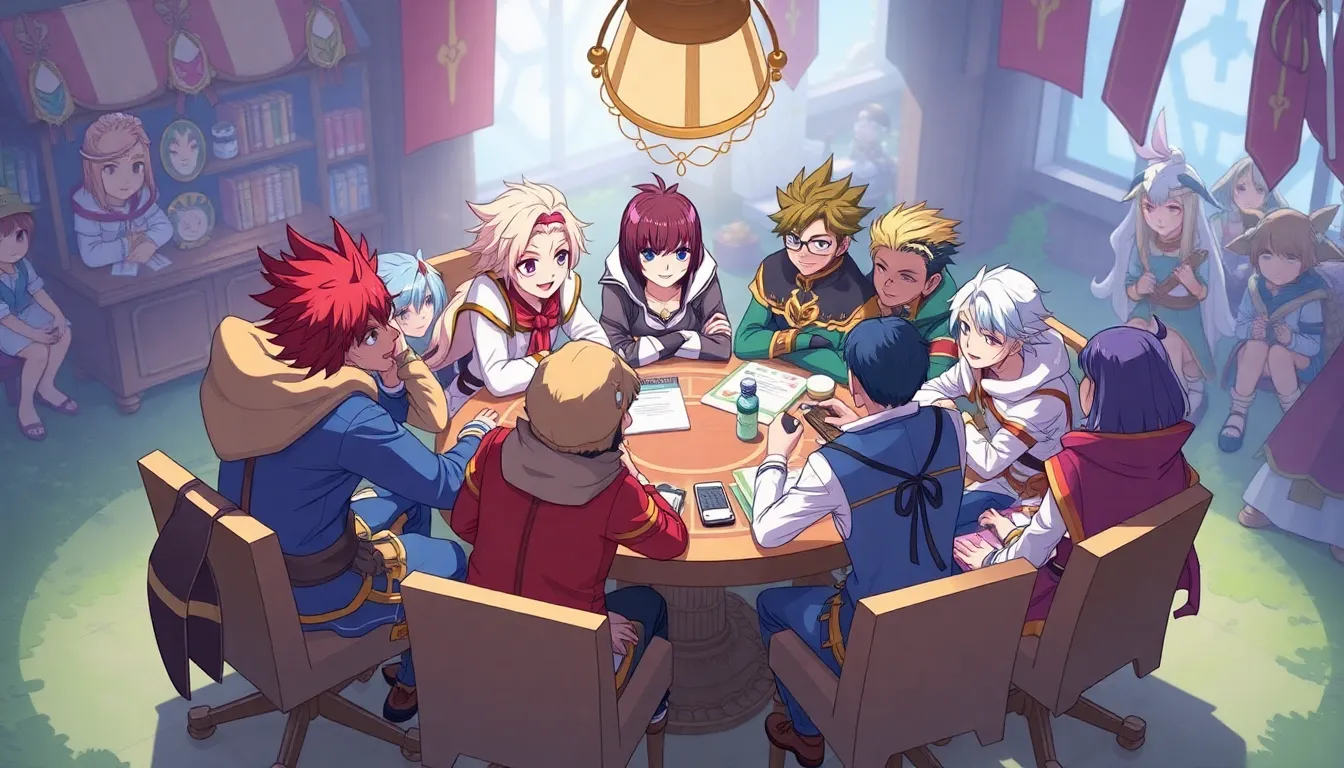
Joining a guild in MapleStory enhances the gaming experience significantly. Players gain access to various benefits that elevate their adventure.
Social Interaction
Engagement within a guild fosters meaningful relationships. Members chat regularly, sharing tips and stories that enrich gameplay. Events create opportunities to bond over common goals, enhancing friendships. Joining a guild means connecting with diverse players who have different experiences. Collaborating on quests leads to shared successes, strengthening ties among members. In many cases, individuals find support and camaraderie in challenging times. Regular communication ensures that players feel welcomed and valued, creating a sense of belonging inside the community.
Cooperative Gameplay
Working together toward common objectives defines cooperative gameplay within guilds. Members team up for boss battles, making these encounters easier and more enjoyable. Sharing resources becomes effortless, ensuring everyone benefits from the guild’s collective efforts. Members often organize training sessions that help improve skills and strategies. Joining forces enhances efficiency, as players tackle difficult quests that they might struggle with alone. Coordinated efforts lead to higher success rates and a more fulfilling gaming experience. Guild collaboration not only boosts performance but also transforms gameplay into an exhilarating community effort.
Types of Guilds
MapleStory features various guild types, each offering distinct experiences and benefits for players. Understanding these categories helps players choose the right fit for their gaming style.
Casual Guilds
Casual guilds provide a relaxed environment for players seeking fun without high pressure. Members focus on social interaction and light-hearted gameplay, often participating in casual events. These guilds prioritize friendship-building over competitiveness. Players enjoy sharing experiences and lending support during quests. Engaging in fun activities like group outings or mini-games fosters a sense of community. Many casual guilds also include players of all levels, ensuring everyone feels welcome. Regular communication through chat helps maintain connections among members.
Competitive Guilds
Competitive guilds attract players eager to test their skills and achieve high rankings. These guilds focus on performance, often participating in events and tournaments that challenge members. Members regularly organize boss fights and strategic training sessions to refine their skills. Results matter here; winning becomes a shared goal that encourages teamwork. Players must meet certain requirements to join, ensuring a dedicated and skilled roster. Communication channels, such as voice chats, enhance coordination during critical gameplay moments. Competitive guilds often reward accomplishments with exclusive prizes or recognition within the community.
Themed Guilds
Themed guilds center around specific interests or concepts, creating a unique environment for players. These guilds may focus on particular game aspects, like role-playing or crafting. Members bond over shared themes, participating in tailored events and discussions. Crafting guilds might emphasize resource management and item creation, while role-playing guilds thrive on storytelling and immersive experiences. Players often adorn their characters to reflect the guild’s theme, enhancing the overall atmosphere. Regular participation boosts engagement and fosters long-term relationships among members. A themed guild deepens the gaming experience, allowing players to fully immerse themselves in the desired setting.
How to Create a Successful Guild
Building a successful guild in MapleStory involves careful planning and execution. Different strategies contribute to fostering a vibrant and engaging community.
Recruitment Strategies
Effective recruitment strategies attract dedicated players. Utilizing in-game announcements resonates with potential members. Social media platforms like Discord enhance visibility and foster connections. Hosting open events allows prospects to join casual activities, showcasing the guild’s atmosphere. Establishing a clear theme or mission statement appeals to like-minded players. Targeting specific interests, such as crafting or PvP, ensures members share common goals and values.
Maintaining Engagement
Engagement keeps members active and invested in the guild. Organizing regular events fosters interaction and excitement. Weekly competitions, training sessions, or social gatherings bring players together. Encouraging feedback creates a sense of ownership among members. Communication through tools like forums or Discord promotes connection and strategy sharing. Recognizing achievements, whether through leaderboards or awards, boosts morale and motivation. Diversifying activities ensures every member finds something enjoyable, contributing to overall satisfaction within the guild.
Challenges Faced by Guild Leaders
Guild leaders encounter numerous challenges while managing their teams. One major issue involves maintaining member engagement. As players join a guild, interest can wane over time due to various reasons, including personal schedules or game fatigue. Encouraging participation in events and activities helps keep players motivated.
Conflict resolution also poses a significant hurdle. Disagreements can arise between members, affecting group dynamics. Implementing effective communication channels fosters open dialogue, minimizing misunderstandings and promoting harmony within the guild.
Recruitment presents another challenge for leaders. Attracting dedicated players requires ongoing outreach efforts. Utilizing in-game announcements and social media platforms effectively increases visibility and pulls in new talent.
Balancing different member skill levels may create tension. Players at varying experience levels often have different expectations from the game. Crafting activities that cater to both beginners and veterans promotes inclusivity and nurtures essential skills, benefiting the entire guild.
Time management becomes crucial for leaders. Coordinating events and meetings can easily become overwhelming. Setting clear schedules, along with realistic goals for each session, ensures that everyone remains informed and involved.
Lastly, adapting to ongoing game updates and changes can strain leaders. Constantly evolving game dynamics mean guilds must adjust strategies and plans frequently. Staying informed about patch notes and new content allows leaders to guide their teams effectively through these changes.
Heeding these challenges enables guild leaders to improve their management skills. Engaging members, resolving conflicts, attracting new talent, balancing skill levels, managing time, and adapting to changes all play critical roles in maintaining a successful guild experience in MapleStory.
MapleStory guilds play a crucial role in shaping the gaming experience. They foster a sense of community where players can connect and collaborate. By engaging in shared activities and supporting one another, members create lasting memories and friendships.
The variety of guild types ensures that every player can find a community that aligns with their interests. Whether seeking casual fun or competitive challenges, there’s a guild for everyone.
As players navigate the world of MapleStory, guilds enhance their journey, making it more enjoyable and fulfilling. Ultimately, these communities transform individual gameplay into a rich tapestry of shared adventures and achievements.